

Learn how to start a blog in 2026 with our comprehensive guide. Master niche selection, setup, content creation, SEO, and monetization strategies for growth.
Key Takeaways
- Starting a blog in 2026 requires a strategic approach, focusing on niche selection, solid technical setup, and a clear content strategy.
- Success hinges on understanding your target audience, providing valuable content, and actively promoting your work across relevant platforms.
- Monetization should be considered early but implemented strategically, often through a combination of affiliate marketing, digital products, and services.
- Consistent effort in content creation, SEO, and community engagement is crucial for long-term growth and authority.
- Embrace current trends like AI integration for content ideation and optimization, while maintaining an authentic human voice.
Quick Answer
To start a blog in 2026, begin by defining a clear, profitable niche that aligns with your expertise and audience needs, then select a reliable hosting provider and a user-friendly platform like WordPress to build your site. Focus on creating high-quality, SEO-optimized content consistently, and actively promote your posts through social media and other channels to attract and engage your target readership.
The digital landscape in 2026 offers unprecedented opportunities for individuals and businesses alike to share their voice, build communities, and even generate income through blogging. Whether you’re an aspiring entrepreneur, a seasoned professional looking to share insights, or simply someone with a passion to express, understanding how to start a blog in 2026 effectively is key to carving out your space in the crowded online world. This comprehensive guide will walk you through every essential step, from initial concept to ongoing growth and monetization, ensuring your blogging journey is set up for success from day one.
How Do You Define Your Blog’s Niche and Target Audience?

Defining your blog’s niche and target audience is the foundational step, crucial for attracting the right readers and standing out in a crowded digital space. A focused niche allows you to become an authority on a specific subject, making your content more valuable to a dedicated audience.
To pinpoint your niche, consider the intersection of your passions, expertise, and market demand. What topics genuinely excite you, where do you possess unique knowledge or experience, and what information are people actively searching for online? For example, if you are passionate about sustainable living and have expertise in DIY eco-friendly products, and data shows increasing interest in ‘zero-waste home solutions,’ then “DIY Eco-Friendly Home Living” could be an excellent niche. This specificity helps you connect with readers who share that particular interest and are seeking solutions or information directly related to it.
Here’s a structured approach to defining your niche:
- Self-Assessment:
- Passions: What topics do you love to read about, discuss, and learn? Enthusiasm will fuel your long-term commitment.
- Expertise/Experience: What skills, knowledge, or life experiences do you have that could benefit others? Think about your professional background, hobbies, or unique insights.
- Problem-Solving: What problems can you help people solve? Blogs often thrive by providing solutions, advice, or entertainment related to specific challenges.
- Market Research:
- Keyword Research: Use tools (e.g., Google Keyword Planner, Ahrefs, Semrush) to identify popular search terms related to your potential interests. Look for terms with moderate search volume but not overwhelming competition.
- Competitor Analysis: Examine existing blogs in your chosen area. What are they doing well? What gaps can you fill? How can you differentiate your voice or approach?
- Audience Demographics: Who would be interested in your chosen topics? Consider their age, location, interests, income level, and pain points. Understanding these aspects helps you tailor your content and language effectively.
- Niche Refinement:
- Specificity: Avoid being too broad. “Travel” is too general; “Budget Solo Travel in Southeast Asia for Remote Workers” is specific.
- Profit Potential: While not every blog aims for profit, consider if your niche has potential for monetization through affiliate products, services, or digital goods, which can be critical for sustainability. For instance, a blog focused on “how to build a startup with limited capital” might offer courses or templates.
- Sustainability: Is there enough content to create consistently over time? Can you evolve within the niche?
Example:
Imagine a scenario where a keen gardener discovered a passion for hydroponics during the pandemic. They realize there’s a growing interest in urban farming and sustainable food. Their expertise lies in setting up cost-effective hydroponic systems for small spaces. Their target audience would be urban dwellers, apartment residents, and eco-conscious individuals looking for practical, affordable ways to grow their own food indoors. This specific niche allows them to create detailed guides, product reviews, and troubleshooting tips that directly address the needs of this audience, establishing them as a go-to resource.
A common mistake is selecting a niche that is too broad, leading to generic content and difficulty attracting a dedicated readership. Being overly specific, however, can limit your audience and content scope. Strive for a balance that allows for depth and breadth within a defined area.
What Are the Essential Technical Steps for Setting Up a Blog in 2026?
Setting up a blog in 2026 involves several essential technical steps, starting with choosing a domain name, selecting a reliable web hosting provider, and installing a content management system (CMS) like WordPress. These fundamental choices establish your blog’s online presence and dictate its performance, security, and ease of management.
Once your niche is solid, the technical foundation of your blog comes next. Think of your domain name as your blog’s unique address on the internet and web hosting as the land where your blog’s “house” (its files and data) resides. A robust CMS, like WordPress, provides the framework to easily build, publish, and manage your content without needing extensive coding knowledge.
Here are the crucial technical steps:
- Choose a Domain Name:
- Availability: Check if your desired domain name is available. Keep it short, memorable, and easy to spell.
- Relevance: Ideally, it should reflect your blog’s niche or your brand. For example, “EcoHydroGrow.com” clearly relates to the hydroponics example.
- Top-Level Domain (TLD): While
.comis generally preferred for its familiarity and credibility, new TLDs like.blog,.online, or niche-specific extensions can be viable options if.comisn’t available and aligns with your brand. - Registration: Purchase your domain name through a reputable registrar (e.g., Namecheap, GoDaddy).
- Select a Web Hosting Provider:
- Reliability & Uptime: Choose a host with a strong track record of keeping sites online. Downtime means lost readers and potential revenue.
- Speed: Server speed impacts your site’s loading time, which is crucial for user experience and SEO. Look for features like SSD storage and CDN integration.
- Scalability: Ensure the host can accommodate your blog’s growth. Shared hosting is cost-effective for beginners, but you might need to upgrade to VPS or dedicated hosting later.
- Customer Support: Responsive and knowledgeable support is invaluable when you encounter technical issues.
- Pricing: Compare plans, but don’t base your decision solely on the cheapest option. Quality hosting is an investment.
- Recommended Providers: Bluehost, SiteGround, WP Engine, and Hostinger are popular choices that offer good performance and support for WordPress blogs.
- Install a Content Management System (CMS):
- WordPress (Self-Hosted): This is the most popular choice globally, powering over 43% of all websites. It’s flexible, scalable, and has a vast ecosystem of themes and plugins. Most hosting providers offer one-click WordPress installation.
- Other Options:
- Squarespace/Wix: Good for beginners who prioritize visual design and ease of use, but offer less flexibility and control than self-hosted WordPress.
- Ghost: A lighter, faster alternative focused purely on blogging and publishing, popular with writers and journalists.
- Installation: Follow your hosting provider’s instructions for installing WordPress. This usually involves logging into your hosting control panel (cPanel) and using an auto-installer.
- Configure Your Blog’s Foundation:
- Permalinks: Set up SEO-friendly permalinks (e.g.,
yourblog.com/post-name/) in WordPress settings. - Basic Security: Install a security plugin (e.g., Wordfence, Sucuri) and enforce strong passwords.
- Backup Solutions: Implement an automatic backup solution (many hosting providers offer this, or use a plugin like UpdraftPlus).
- SSL Certificate: Ensure your site has an SSL certificate (HTTPS), which is critical for security, SEO, and user trust. Most hosts provide free SSL via Let’s Encrypt.
- Permalinks: Set up SEO-friendly permalinks (e.g.,
Common Mistake: Skimping on web hosting can lead to slow loading times, frequent downtime, and a frustrating experience for both you and your readers. Investing in quality hosting from the start prevents many future headaches. For entrepreneurs looking to start strong, integrating reliable hosting is as crucial as defining your business entrepreneurship strategy.
How Can You Develop a Strong Content Strategy and Create Engaging Posts for 2026?
Developing a strong content strategy and creating engaging posts for 2026 involves understanding your audience’s needs, planning content pillars, leveraging SEO best practices, and focusing on diverse, high-quality media. Your strategy should guide every piece of content you produce, ensuring it aligns with your blog’s goals and provides consistent value to your readers.
A well-defined content strategy acts as your roadmap, preventing random posting and ensuring every article contributes to your overall objectives, whether that’s building authority, driving traffic, or generating leads. The key is to deliver value, build trust, and keep your audience coming back for more.
Here’s how to develop a compelling content strategy:
- Audience-Centric Planning:
- Reader Personas: Create detailed profiles of your ideal readers, including their demographics, interests, pain points, and what they hope to gain from your blog.
- Content Pillars: Identify 3-5 broad categories (content pillars) that your niche covers. For the hydroponics blog, these might be “Beginner Hydroponics,” “Advanced Systems,” “Nutrient Management,” and “Pest Control.”
- Topic Brainstorming: Generate specific post ideas within each pillar, addressing common questions, trending topics, or unique insights. Tools like AnswerThePublic or looking at Reddit forums can reveal common queries.
- SEO Integration from Day One:
- Keyword Research: Use your refined keyword research to guide individual post topics. Each post should target a primary keyword and several related semantic keywords.
- On-Page SEO:
- Catchy Titles (H1): Include your primary keyword naturally.
- Subheadings (H2, H3): Break up text and include related keywords.
- Meta Description: Craft a concise, compelling summary that encourages clicks in search results.
- Image Alt Text: Describe images for accessibility and SEO.
- Internal Links: Link to other relevant posts on your blog (e.g., “how to start an online business” or “50 best business ideas to start from home“) and external authoritative sources.
- External Links: Link out to credible sources when citing information to boost your authority.
- Readability: Write in clear, concise language, use short paragraphs, bullet points, and numbered lists to improve readability. An 8th-9th grade reading level is generally ideal for broad appeal.
- Creating Engaging Content:
- Compelling Hooks: Start each post with an engaging hook that immediately grabs the reader’s attention and clearly states what they will learn.
- Storytelling: Weave in anecdotes, personal experiences, or case studies. For instance, in a hydroponics blog, you might share your first successful harvest story. People connect with stories, making your content more memorable.
- Diverse Media: Don’t just rely on text. Incorporate images, infographics, videos, audio clips, and interactive elements. Visuals break up text, explain complex concepts, and enhance engagement.
- Actionable Advice: Provide clear, practical steps or insights that readers can apply immediately.
- Call to Action (CTA): Encourage readers to leave comments, share the post, subscribe to your newsletter, or explore related content.
- Consistency and Content Calendar:
- Publishing Schedule: Decide on a realistic publishing frequency (e.g., once a week, twice a month) and stick to it. Consistency builds anticipation and keeps your audience engaged.
- Content Calendar: Plan your topics, keywords, and publishing dates in advance. This helps you stay organized and ensures a steady flow of fresh content.
Anecdote: I remember a blogger who started a travel blog but wrote about everything from luxury resorts to budget backpacking. While passionate, their content lacked focus, and search engines struggled to categorize their expertise. After refining their niche to “Sustainable Eco-Travel in Latin America,” and consistently publishing detailed guides and personal stories on that specific topic, their traffic soared because they became the go-to resource for a dedicated community. This highlights the power of a focused content strategy and consistent, high-value content.
What Are Effective Strategies for Promoting and Growing Your Blog in 2026?
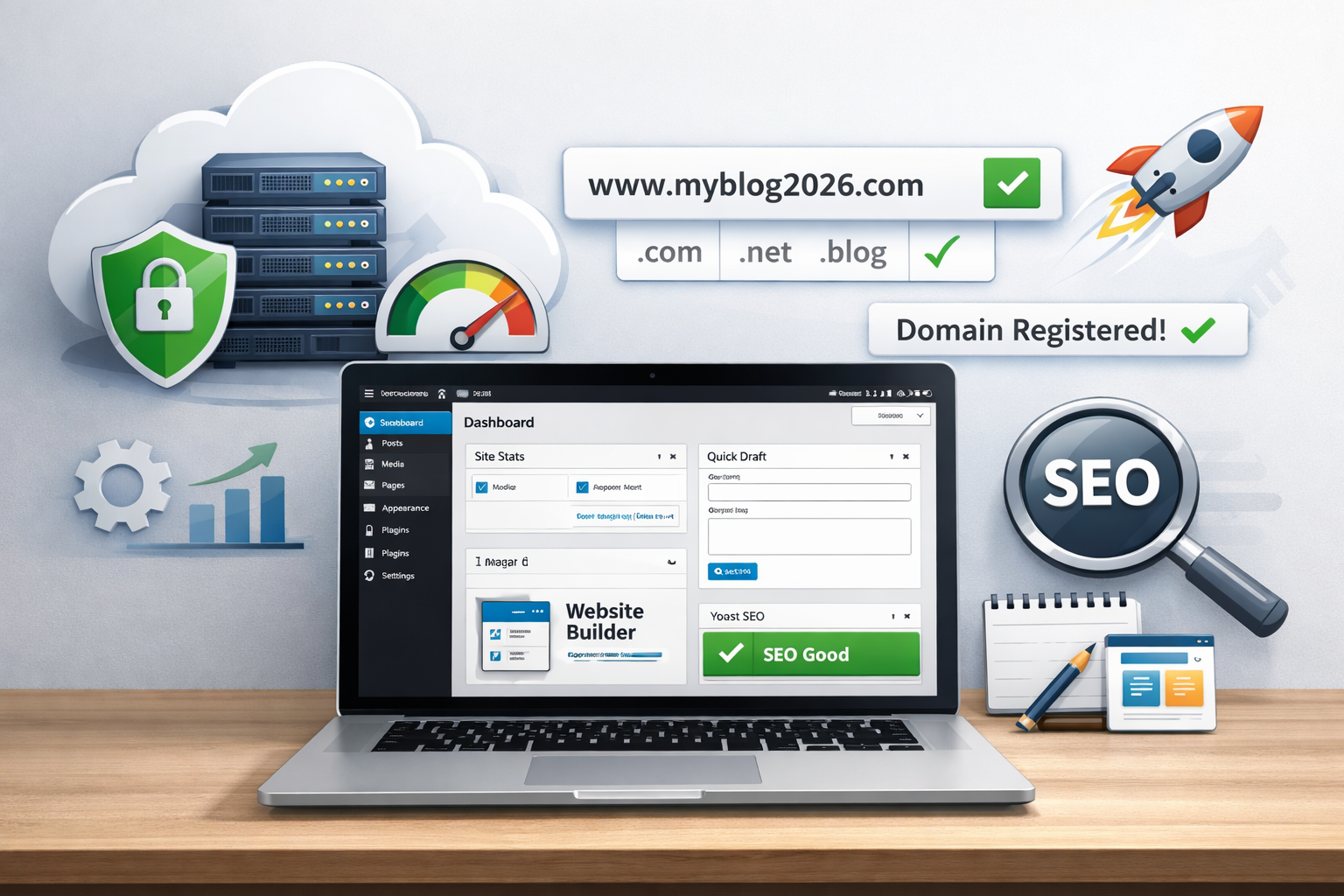
Effective strategies for promoting and growing your blog in 2026 involve a multi-channel approach, leveraging social media, email marketing, search engine optimization (SEO), and community engagement to expand reach and attract new readers. Simply publishing content isn’t enough; active promotion is essential to drive traffic and build a loyal audience.
Growing a blog in today’s digital environment means actively seeking out your audience where they already spend their time. This requires understanding different platforms and tailoring your promotional efforts to each, while continuously optimizing your content for discoverability.
Here’s how to promote and grow your blog:
- Search Engine Optimization (SEO) Beyond Basics:
- Technical SEO: Ensure your site is fast, mobile-friendly, and crawlable by search engines. Utilize tools like Google Search Console to monitor performance and identify issues.
- Content Updates: Regularly update old content with fresh information, new images, and current data to keep it relevant and improve its search ranking. This demonstrates authority and freshness.
- Backlink Building: Actively seek out opportunities to earn high-quality backlinks from other reputable websites. This can involve guest posting, creating link-worthy content, or outreach to industry influencers.
- Social Media Marketing:
- Platform Selection: Identify which social media platforms your target audience uses most frequently. You don’t need to be everywhere. For visual niches like hydroponics, Instagram and Pinterest are key; for professional insights, LinkedIn is vital.
- Content Adaptation: Don’t just share blog post links. Repurpose your content into engaging social media formats:
- Instagram/TikTok: Short video snippets, carousels, infographics.
- X (formerly Twitter): Thread summaries, thought-provoking questions.
- LinkedIn: Professional insights, discussions, long-form posts.
- Pinterest: Visually appealing pins linking to guides and tutorials.
- Engagement: Actively interact with your audience, respond to comments, and participate in relevant groups or discussions.
- Email Marketing:
- List Building: Offer valuable incentives (lead magnets) like free guides, checklists, or exclusive content in exchange for email addresses.
- Regular Newsletters: Send out newsletters with your latest blog posts, exclusive tips, and community updates. This is a powerful way to drive repeat traffic and foster loyalty.
- Segmentation: Segment your audience based on interests to send more targeted and relevant content.
- Community Engagement:
- Comments Section: Foster a lively comment section on your blog by responding thoughtfully to readers.
- Online Forums & Groups: Participate in relevant online communities (Reddit, Facebook groups, industry-specific forums) where your target audience congregates. Share your expertise and link to your blog posts when appropriate and permitted.
- Collaborations: Partner with other bloggers, influencers, or businesses in your niche for guest posts, joint webinars, or social media shout-outs. This exposes your blog to new audiences.
- Paid Promotion (Optional, but effective for scale):
- Social Media Ads: Target specific demographics and interests with ads on platforms like Facebook, Instagram, or Pinterest to drive traffic to key blog posts.
- Search Engine Marketing (SEM): Consider Google Ads for highly competitive keywords, especially if you have a product or service to sell related to your blog content.
Decision Rule: Choose to invest time and resources into a promotion channel if your target audience actively uses it and if you can create compelling content tailored to that platform. For example, if your audience is primarily Gen Z interested in quick tips, prioritize TikTok and Instagram Reels over extensive LinkedIn articles. Conversely, for a B2B audience, LinkedIn and email newsletters would be more effective. The ultimate guide to starting a startup from idea to launch also emphasizes finding where your audience lives online for effective outreach.
What Are the Key Ways to Monetize a Blog in 2026?
The key ways to monetize a blog in 2026 involve a diversified approach, blending strategies such as affiliate marketing, advertising, selling digital products or services, and securing brand sponsorships. Relying on a single income stream can be risky; a mix ensures stability and growth potential for your blog.
Monetizing your blog transforms it from a hobby into a potential revenue-generating asset. While traffic volume certainly helps, the depth of engagement and the specific needs of your niche often dictate the most effective monetization strategies. Many bloggers find success by offering solutions or products directly related to the problems their content addresses.
Here are the primary monetization strategies:
- Affiliate Marketing:
- How it Works: You recommend products or services from other companies within your blog content. When readers click your unique affiliate link and make a purchase, you earn a commission.
- Best Practices: Only promote products you genuinely use and trust, or those highly relevant to your niche. Transparency with your audience about affiliate links is crucial for maintaining trust. For a hydroponics blog, this could be linking to specific grow lights, nutrient kits, or beginner hydroponic systems on Amazon or specialized gardening stores.
- Programs: Join reputable affiliate networks like Amazon Associates, ShareASale, CJ Affiliate, or direct programs offered by companies.
- Display Advertising:
- How it Works: You allow ad networks (e.g., Google AdSense, Mediavine, AdThrive) to place advertisements on your blog. You earn money based on impressions (page views) or clicks.
- Considerations: While relatively passive, ad revenue typically requires significant traffic to become substantial. It can also sometimes detract from user experience if not managed well. Premium ad networks like Mediavine and AdThrive usually have traffic minimums (e.g., 50,000 sessions/month for Mediavine).
- Selling Your Own Digital Products:
- How it Works: Create and sell your own digital goods directly to your audience. This can include e-books, online courses, templates, printables, stock photos, or software.
- Advantages: You keep a much larger percentage of the revenue compared to affiliate marketing, and it positions you as an expert.
- Examples: For the hydroponics blogger, this could be an e-book titled “The Beginner’s Guide to Hydroponic Herbs,” a comprehensive online course on “Setting Up a Small-Space Hydroponic Farm,” or printable plant tracking journals.
- Offering Services:
- How it Works: Leverage your blog to showcase your expertise and attract clients for services you provide.
- Examples: Consulting, coaching, freelance writing, web design, social media management, or specialized workshops. A blogger focused on sustainable living might offer consulting services for businesses looking to implement eco-friendly practices. This is a direct way to get paid by blogging about your business.
- Sponsored Content & Partnerships:
- How it Works: Brands pay you to create content (blog posts, videos, social media mentions) that features or mentions their products or services.
- Requirements: Typically requires a well-established blog with a engaged audience. Brands look for authenticity and alignment with their target market.
- Negotiation: Rates vary widely based on your blog’s reach, engagement, and niche. Always disclose sponsored content to maintain reader trust and comply with advertising regulations.
- Donations/Patreon:
- How it Works: Allow readers to support your work directly through platforms like Patreon or by making one-time donations.
- Best For: Niche blogs with a highly dedicated and appreciative audience who value your unique content and want to help sustain your efforts.
Comparison Table: Blog Monetization Strategies
| Monetization Strategy | Pros | Cons | Best For |
|---|---|---|---|
| Affiliate Marketing | Low entry barrier, passive income potential | Lower commissions, reliant on external sales | Product/service reviewers, niche guides |
| Display Advertising | Very passive, scales with traffic | Requires high traffic, can annoy readers | High-traffic general interest blogs |
| Digital Products | High profit margins, builds authority | Requires product creation effort | Niche experts, educators, creators |
| Services | High income potential per client, direct | Time-intensive, limited by personal capacity | Consultants, coaches, freelancers |
| Sponsored Content | High income potential, brand exposure | Requires established audience, authenticity | Influencer blogs, niche authority sites |
| Donations/Patreon | Direct community support | Unpredictable, niche appeal | Passion projects, unique content creators |
Common Mistake: Trying to implement too many monetization strategies too early can overwhelm both the blogger and the audience, making the blog feel cluttered or overly commercial. Start with 1-2 strategies that best fit your niche and audience, then gradually expand as your blog grows and you understand what resonates most.
What Are Common Mistakes to Avoid When Starting a Blog in 2026?
When starting a blog in 2026, common mistakes to avoid include choosing a niche that is too broad, neglecting SEO from the outset, prioritizing quantity over quality in content, failing to promote consistently, and overlooking the importance of community engagement. These pitfalls can hinder growth, demotivate the blogger, and ultimately lead to the blog’s abandonment.
Many aspiring bloggers jump into the process with enthusiasm but without a clear strategy, leading to easily avoidable errors that can severely impact their success. Learning from the mistakes of others can save significant time and effort, ensuring a smoother journey for your own blog.
Here are critical mistakes to steer clear of:
- Choosing an Undefined or Too Broad Niche:
- Mistake: Trying to appeal to everyone by covering too many topics. For instance, a “lifestyle” blog covering fashion, food, travel, and personal finance.
- Consequence: Difficulty in establishing authority, attracting a specific audience, and ranking in search engines. Your content becomes diluted and forgettable.
- Solution: Follow the steps outlined earlier to identify a focused niche where you can become an expert and serve a distinct audience.
- Neglecting SEO from the Start:
- Mistake: Writing content without considering keywords, meta descriptions, proper heading structure, or mobile responsiveness.
- Consequence: Your blog posts won’t be easily discoverable by search engines, meaning low organic traffic even if your content is excellent.
- Solution: Integrate basic SEO principles into your content strategy and technical setup from day one. Use an SEO plugin like Yoast SEO or Rank Math for WordPress.
- Inconsistent Publishing and Lack of Quality Control:
- Mistake: Posting sporadically, or prioritizing pushing out content quickly over ensuring it’s well-researched, well-written, and valuable.
- Consequence: Readers lose interest, search engines may penalize inconsistent sites, and your blog fails to build a loyal following or authority.
- Solution: Develop a realistic content calendar and commit to it. Always proofread, fact-check, and aim to provide the most comprehensive or unique perspective on a topic. Use tools like Grammarly to ensure quality writing.
- Ignoring Promotion and Community Engagement:
- Mistake: Believing that “if you build it, they will come.” Publishing content and expecting readers to magically find it.
- Consequence: Your brilliant content remains unseen, leading to low traffic and engagement.
- Solution: Actively promote every piece of content across relevant social media channels, email newsletters, and online communities. Engage with comments and build relationships with your readers.
- Over-Monetization Too Early:
- Mistake: Cluttering your blog with excessive ads or aggressively pushing affiliate products from the very beginning.
- Consequence: Alienates readers, makes your blog appear solely self-serving, and erodes trust, ultimately hurting long-term earning potential.
- Solution: Focus on providing value and building an audience first. Introduce monetization strategies gradually and thoughtfully, ensuring they enhance rather than detract from the user experience.
- Not Investing in Essential Tools:
- Mistake: Opting for free, unreliable hosting or generic themes to save money, leading to a slow, unprofessional, or insecure blog.
- Consequence: Poor user experience, security vulnerabilities, and difficulty scaling.
- Solution: While you don’t need to break the bank, invest in quality hosting, a professional theme (many free WordPress themes are excellent), and essential plugins for security and SEO. Think of these as foundational investments for your startup course essentials.
Edge Case: Some bloggers get caught in the “perfection trap,” constantly tweaking their site design or content before ever publishing. While quality is important, launching an imperfect but functional blog and iterating based on feedback is often more effective than waiting for an elusive “perfect” launch. Remember, blogging is an iterative process.
Frequently Asked Questions About Starting a Blog in 2026

Q: How much does it cost to start a blog in 2026?
A: The cost can range from minimal (around $50-$100 annually for basic hosting and domain) to several hundred dollars, depending on your hosting provider, premium themes/plugins, and any professional services you opt for.
Q: Do I need to be a great writer to start a blog?
A: No, you don’t need to be a professional writer. Clear, concise, and engaging writing that provides value is more important. Your writing style will develop over time. Tools like Grammarly can also assist with grammar and clarity.
Q: How long does it take to see results from blogging?
A: Seeing significant results (traffic, income) typically takes 6-12 months of consistent effort, sometimes longer. Blogging is a marathon, not a sprint, and requires patience and persistence.
Q: Can I really make money blogging in 2026?
A: Yes, many bloggers make significant income, but it requires a strategic approach, consistent high-quality content, effective promotion, and smart monetization. It’s not a get-rich-quick scheme.
Q: What is the best platform to start a blog on?
A: WordPress.org (self-hosted) is widely considered the best platform due to its flexibility, scalability, and vast ecosystem of themes and plugins, making it ideal for professional bloggers.
Q: Should I use AI for blog content creation in 2026?
A: AI can be a powerful tool for content ideation, outlining, and even drafting initial sections, but it should always be reviewed, edited, and infused with your unique human voice and expertise to maintain quality and authenticity. Consider using AI as an assistant, not a replacement.
Q: How often should I post new content on my blog?
A: Consistency is key. Aim for a schedule you can realistically maintain, whether that’s once a week, twice a month, or even monthly. Quality and value are more important than daily posts.
Q: Is blogging still relevant in 2026 with social media and video?
A: Absolutely. Blogging remains a cornerstone for in-depth content, SEO, building authority, and owning your platform. It complements social media and video by providing a central hub for your most valuable information.
Q: What is the most important factor for blog success?
A: Providing consistent, high-quality, valuable content that genuinely helps or entertains your target audience is arguably the most critical factor for long-term blog success.
Conclusion
Starting a blog in 2026 is an accessible and rewarding endeavor, offering a powerful platform for sharing your knowledge, connecting with a global audience, and potentially generating income. The journey requires a thoughtful approach, beginning with a clear niche definition that marries your passions with market demand, followed by a solid technical setup, typically involving a self-hosted WordPress site. The real engine of your blog’s success, however, will be your content strategy—producing consistent, high-quality, SEO-optimized articles that truly engage and provide value to your readers.
Remember that blogging is not a passive activity. Active promotion across social media, through email marketing, and within online communities is essential to expand your reach. As your blog grows, carefully consider and implement diverse monetization strategies, ensuring they align with your content and audience trust. By avoiding common pitfalls like inconsistent posting or neglecting SEO, and by embracing the iterative nature of online publishing, you can build a thriving blog that stands the test of time and truly makes an impact. Embrace the process, stay curious, and keep creating valuable content.
Key Takeaways
- Niche is paramount: Define a specific niche at the intersection of your passion, expertise, and market demand.
- Solid foundation: Choose a good domain, reliable hosting, and use WordPress for flexibility.
- Content is king (with SEO): Create high-quality, valuable content consistently, optimized for search engines and your audience.
- Promote relentlessly: Share your content across relevant platforms and engage with your community.
- Monetize strategically: Diversify income streams but prioritize audience value over immediate profit.
- Avoid common errors: Don’t be too broad, neglect SEO, or post inconsistently.
- Patience and persistence: Blog growth takes time and continuous effort.
- Embrace new tools: Leverage AI for efficiency but always maintain your authentic voice.
Discover more from Start Entrepreneur Online
Subscribe to get the latest posts sent to your email.