
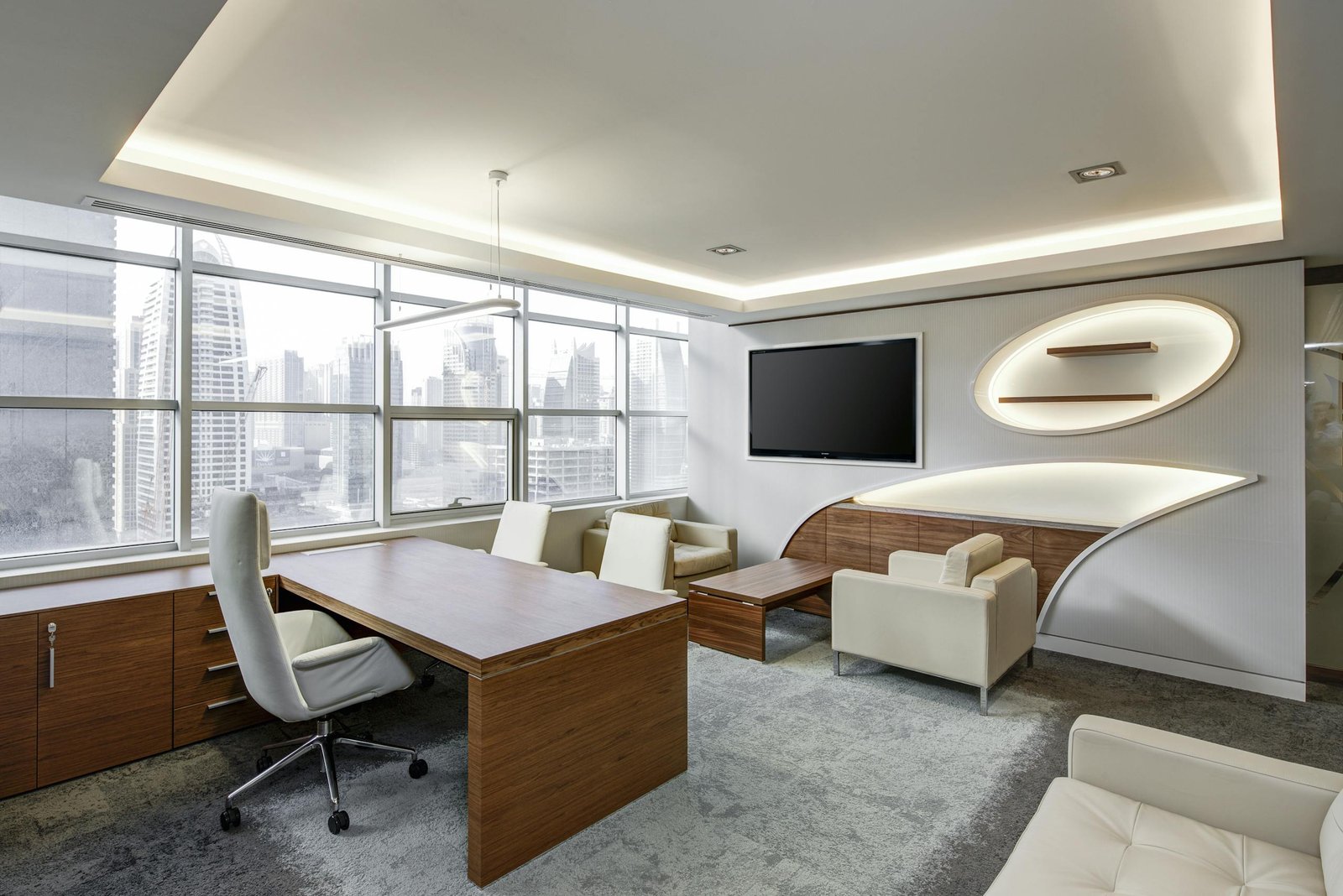

The global office furniture manufacturing industry is often dominated by well-known premium brands and large multinational corporations. However, a significant portion of the market is driven by mid-market office furniture suppliers—companies that operate between low-cost manufacturers and premium design brands.
These suppliers focus on cost-effective office solutions, modular office systems, ergonomic seating, and commercial workspace furniture designed for growing businesses, institutions, and regional corporate clients.
As workplace needs evolve due to hybrid work models, sustainability goals, and collaborative office environments, mid-market manufacturers are becoming increasingly influential in shaping the global office furniture supply chain.
Understanding the Mid-Market Office Furniture Segment
Mid-market office furniture suppliers typically target organizations that need commercial-grade furniture without premium luxury pricing. Their product lines often include workstations, conference tables, ergonomic office chairs, modular office desks, storage systems, and collaborative workspace furniture.
These companies serve a wide range of sectors such as:
- corporate offices
- educational institutions
- healthcare facilities
- government buildings
- coworking spaces
Unlike high-end design brands, mid-market suppliers prioritize scalability, durability, and cost efficiency, making them ideal partners for businesses that require large-volume furniture procurement.
Key Characteristics of Mid-Market Office Furniture Suppliers
Mid-tier manufacturers typically compete by balancing price, performance, and customization. Their products are designed for large deployments while maintaining acceptable design standards.
Feature | Description | Business Advantage |
Modular office furniture | Workstations, partitions, and configurable desks | Flexible office layouts |
Ergonomic seating | Adjustable office chairs and task seating | Improved employee comfort |
Scalable production | Large-volume manufacturing capabilities | Suitable for corporate rollouts |
Competitive pricing | Lower cost than premium design brands | Budget efficiency |
These capabilities allow mid-market suppliers to compete globally while still serving regional distribution networks.
Global Mid-Market Office Furniture Manufacturers
Several manufacturers across North America, Europe, and Asia operate in the mid-market segment. These companies combine industrial production capacity with adaptable product lines for commercial offices.
Examples include:
- HNI Corporation
- Kimball International
- Oakland Furniture
- Nowy Styl
- Wilkhahn
Many of these suppliers manufacture office desks, seating systems, filing storage, and conference tables for business environments worldwide. For instance, HNI Corporation produces workplace furniture through brands such as HON and Allsteel, serving global commercial markets.
Similarly, Kimball International has developed a portfolio of office seating, casegoods, and workspace furniture since producing its first desk in 1970.
European manufacturer Nowy Styl expanded from office seating into full interior solutions and now distributes products across international markets.
Industry Structure and Market Position
The office furniture industry generally follows a three-tier structure:
Market Tier | Typical Companies | Product Strategy |
Premium | Steelcase, Herman Miller | High design value and innovation |
Mid-Market | Regional manufacturers and contract furniture brands | Cost-effective commercial solutions |
Entry-Level | Mass-production suppliers | Price-driven products |
Large brands such as Steelcase and Herman Miller often lead innovation in ergonomic design and workplace research, influencing the broader industry.
Mid-market suppliers frequently adopt these innovations and adapt them into more affordable product lines, allowing businesses with moderate budgets to access modern workspace solutions.
Market Growth Drivers for Mid-Market Suppliers
Several trends are supporting the expansion of mid-market office furniture manufacturing.
1. Hybrid Work Environments
Hybrid work models require offices to become more flexible. Companies now invest in modular workstations, collaborative meeting tables, and mobile office furniture systems.
Mid-market suppliers are particularly well positioned to provide reconfigurable furniture solutions that allow organizations to quickly adjust workspace layouts.
2. Expansion of Commercial Real Estate
As businesses expand or relocate, they often need large volumes of standardized furniture. Mid-market manufacturers specialize in supplying bulk office furniture packages for new buildings or corporate renovations.
3. Cost Efficiency in Corporate Procurement
Corporate procurement teams increasingly seek value-driven furniture solutions that balance durability with cost control. Mid-market suppliers offer competitive pricing while maintaining commercial-grade product standards.
Global Supply Chain and Manufacturing Regions
The production of office furniture is geographically diverse, with strong manufacturing clusters in several regions.
Region | Manufacturing Strength |
North America | Commercial contract furniture |
Europe | Design-driven ergonomic solutions |
China | Large-scale manufacturing and exports |
Southeast Asia | Cost-efficient production |
These regional manufacturing hubs allow mid-market suppliers to compete globally through OEM production, contract manufacturing, and international distribution networks.
Data Snapshot: Global Office Furniture Market Dynamics
Market Indicator | Industry Insight |
Workplace design trend | Increased focus on employee well-being and ergonomic furniture |
Market competition | Strong presence of global leaders and regional mid-market suppliers |
Growth driver | Demand for flexible office furniture and hybrid workspaces |
Competitive Advantages of Mid-Market Manufacturers
Mid-market suppliers often succeed because they offer a combination of manufacturing efficiency, adaptable design, and accessible pricing.
Their strengths include:
- scalable production for commercial projects
- customizable workstation systems
- global distribution partnerships
- competitive pricing strategies
These advantages allow mid-market companies to supply corporate offices, coworking spaces, and institutional clients across international markets.
The Future of Mid-Market Office Furniture Manufacturing
The future of the office furniture sector will likely depend on flexibility, sustainability, and technology integration. Smart office furniture, modular workplace systems, and eco-friendly materials are becoming increasingly important in commercial workspace design.
Mid-market suppliers are expected to play a growing role in this transformation. By combining industrial manufacturing capacity with adaptable design strategies, they can deliver scalable workplace solutions that meet the evolving needs of modern organizations.
As companies like Teknion, Oakland Furniture, and Kinnarps continue to redesign offices for collaboration, productivity, and employee well-being, the mid-market office furniture segment will remain a crucial bridge between premium innovation and practical workplace solutions.
Discover more from Start Entrepreneur Online
Subscribe to get the latest posts sent to your email.