

The landscape of commerce is ever-evolving, and at its heart lies the dynamic force of business entrepreneurship. It’s more than just starting a company; it’s about identifying opportunities, taking calculated risks, innovating solutions, and driving economic growth.
In this year, the spirit of entrepreneurship is more vital than ever, fueled by technological advancements, shifting consumer behaviors, and a global marketplace ripe with potential. This comprehensive guide will explore the multifaceted world of business entrepreneurship, providing insights, strategies, and essential considerations for aspiring and established entrepreneurs alike.
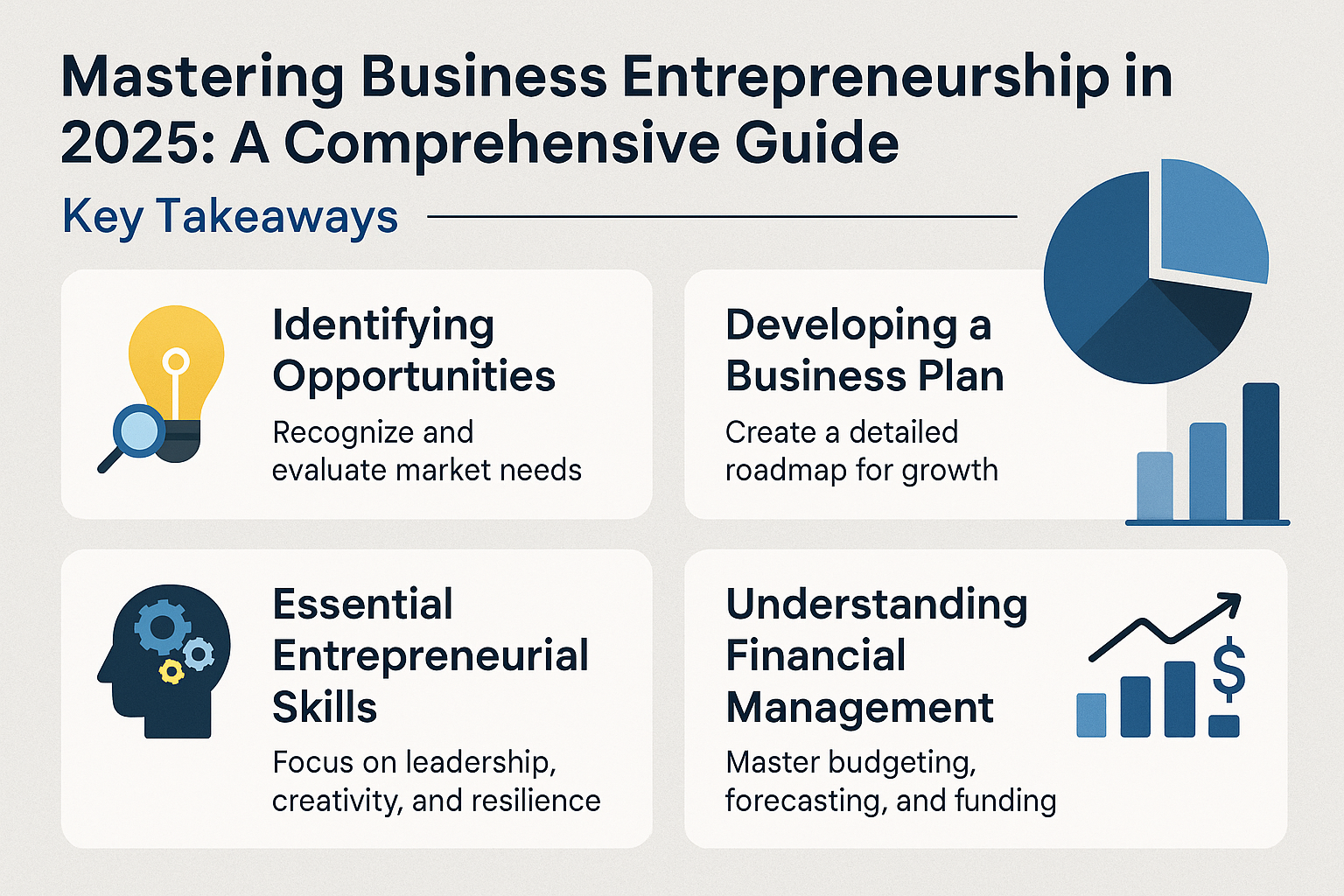
Key Takeaways
- Business entrepreneurship involves identifying opportunities, innovating, and taking calculated risks to create value.
- Successful entrepreneurs possess a unique blend of vision, resilience, adaptability, and strong leadership skills.
- A robust business plan, thorough market research, and a clear understanding of financial models are crucial for launching a venture.
- Funding options range from bootstrapping and angel investors to venture capital and crowdfunding, each with distinct advantages.
- Innovation, ethical practices, and a focus on social impact are increasingly important for long-term entrepreneurial success in 2025.
Understanding the Essence of Business Entrepreneurship
[[Business entrepreneurship]]
At its core, business entrepreneurship is the process of designing, launching, and running a new business, often initially a small business, and taking on its inherent financial risks in the hope of profit. However, it transcends mere business creation. It encompasses a mindset characterized by innovation, proactive problem-solving, and a relentless pursuit of opportunities where others see only challenges.
Entrepreneurs are often visionaries who can spot gaps in the market, conceive novel products or services, and then meticulously build the infrastructure to bring those ideas to fruition. This process is rarely linear; it demands flexibility, perseverance, and a willingness to learn from failures. In 2025, the definition of success in business entrepreneurship often extends beyond financial gains to include social impact, sustainability, and fostering positive change.
The journey of an entrepreneur is distinct from that of a traditional employee. While employees work within established structures and policies, entrepreneurs create those structures. They bear the primary responsibility for decision-making, resource allocation, and navigating the complexities of market dynamics. This autonomy, while exhilarating, also carries significant responsibility and risk.
Key Characteristics of an Entrepreneurial Mindset:
- Visionary Thinking: The ability to foresee future trends and identify unmet needs.
- Risk Tolerance: A willingness to take calculated risks and embrace uncertainty.
- Innovation: A drive to create new products, services, or processes.
- Resilience: The capacity to bounce back from setbacks and learn from failures.
- Adaptability: The flexibility to pivot strategies in response to market changes.
- Proactiveness: Taking initiative rather than waiting for instructions.
- Problem-Solving: A knack for finding creative solutions to complex issues.
This unique combination of traits allows entrepreneurs to transform abstract ideas into tangible businesses that contribute to economic development and societal advancement.
The Journey of Launching a Business: A Step-by-Step Guide
Launching a new venture in the realm of business entrepreneurship is an exciting yet challenging endeavor. It requires meticulous planning, strategic execution, and a clear understanding of each phase. Below is a comprehensive guide to navigating the startup journey.
1. Idea Generation and Validation
Every successful business begins with a compelling idea. This initial spark often arises from:
- Identifying a personal pain point
- Observing market inefficiencies
- Leveraging new technologies
- Improving existing products or services
Once an idea emerges, it’s crucial to validate its viability. This involves:
- Market Research: Understanding your target audience, their needs, demographics, and purchasing behaviors.
- Competitor Analysis: Identifying direct and indirect competitors, analyzing their strengths, weaknesses, pricing, and market share.
- SWOT Analysis: Assessing your idea’s Strengths, Weaknesses, Opportunities, and Threats.
- Minimum Viable Product (MVP) Concept: Creating a basic version of your product/service to test with early adopters and gather feedback.
“Innovation is seeing what everybody has seen and thinking what nobody has thought.” – Dr. Albert Szent-Györgyi
2. Crafting a Solid Business Plan
A well-structured business plan is the blueprint for your entrepreneurial journey. It outlines your goals, strategies, and how you intend to achieve them. Essential components include:
- Executive Summary: A concise overview of your entire plan.
- Company Description: What your business does, its mission, vision, and values.
- Market Analysis: Detailed insights into your target market and competition.
- Organization and Management: Your company structure and the team behind it.
- Service or Product Line: Detailed description of what you offer.
- Marketing and Sales Strategy: How you will reach and attract customers.
- Funding Request (if applicable): How much money you need and how it will be used.
- Financial Projections: Forecasts for revenue, expenses, and profitability over 3-5 years.
Table: Key Sections of a Business Plan
| Section | Purpose |
|---|---|
| Executive Summary | Snapshot of the business and its objectives |
| Company Description | Defines the business, its legal structure, and unique value |
| Market Analysis | Identifies target market, industry trends, and competitive landscape |
| Organization & Management | Details ownership, management team, and organizational structure |
| Service/Product Line | Describes offerings, features, benefits, and lifecycle |
| Marketing & Sales Strategy | Outlines how customers will be reached, acquired, and retained |
| Financial Projections | Forecasts revenue, expenses, cash flow, and profitability |
| Appendix | Supporting documents (resumes, permits, legal agreements) |
3. Legal Structure and Registration
Choosing the right legal structure is vital. Common options for business entrepreneurship include:
- Sole Proprietorship: Simple, but owner is personally liable.
- Partnership: Two or more owners, shared liability.
- Limited Liability Company (LLC): Offers personal liability protection, flexible taxation.
- Corporation (C-Corp or S-Corp): More complex, but good for scaling and external investment.
After selection, you’ll need to:
- Register your business name.
- Obtain necessary licenses and permits (local, state, federal).
- Get an Employer Identification Number (EIN) from the IRS.
- Open a business bank account.
4. Building Your Team
Your team is your most valuable asset. Look for individuals who not only possess the required skills but also align with your company culture and vision. Consider:
- Diverse skill sets and backgrounds.
- Passion for the mission.
- Strong work ethic and adaptability.
- Experience relevant to your industry.
5. Securing Funding
Capital is the lifeblood of any startup. Explore various funding avenues:
- Bootstrapping: Self-funding through personal savings, credit, or early sales.
- Friends and Family: Often the first external investors.
- Angel Investors: High-net-worth individuals who provide capital for equity.
- Venture Capital (VC): Firms that invest in high-growth potential startups for significant equity.
- Crowdfunding: Raising small amounts of money from a large number of people online.
- Bank Loans/Grants: Traditional financing options, often requiring collateral or strong credit.
6. Marketing and Launch
Once everything is in place, it’s time to introduce your offering to the world.
- Develop a strong brand identity: Logo, messaging, visual aesthetics.
- Implement marketing strategies: Digital marketing (SEO, social media, content), traditional advertising, PR.
- Create a robust sales funnel: From lead generation to conversion.
- Plan your launch: Whether it’s a soft launch for early feedback or a grand opening.
7. Growth and Scaling
After launch, the focus shifts to sustained growth. This involves:
- Continuously gathering customer feedback and iterating on your product/service.
- Monitoring key performance indicators (KPIs).
- Exploring new markets or product lines.
- Strategically hiring to support expansion.
This structured approach provides a roadmap for navigating the complexities of business entrepreneurship effectively.
Essential Skills and Mindset for Modern Entrepreneurs
In the rapidly changing landscape of 2025, successful business entrepreneurship demands more than just a good idea; it requires a unique blend of skills, a resilient mindset, and a commitment to continuous learning.
1. Vision and Strategic Thinking
Entrepreneurs must possess a clear vision for their business’s future and the ability to formulate long-term strategies to achieve it. This involves:
- Setting clear goals: Defining what success looks like.
- Anticipating market shifts: Being proactive rather than reactive.
- Making informed decisions: Based on data and market intelligence.
- Pivoting when necessary: Recognizing when a strategy isn’t working and adjusting course.
2. Leadership and Team Building
Great entrepreneurs are often great leaders. They inspire, motivate, and empower their teams. Key leadership traits include:
- Effective Communication: Clearly articulating vision, goals, and expectations.
- Delegation: Trusting team members with responsibility.
- Mentorship: Fostering growth and development within the team.
- Conflict Resolution: Addressing disagreements constructively.
Building a strong team is paramount. Assembling individuals with diverse skill sets and perspectives can lead to more innovative solutions and a stronger company culture.
3. Financial Acumen
Understanding financial statements, managing cash flow, and making sound financial decisions are non-negotiable for entrepreneurs. This includes:
- Budgeting and forecasting: Planning for future expenses and revenues.
- Understanding profit and loss statements: Tracking profitability.
- Managing cash flow: Ensuring liquidity to meet obligations.
- Fundraising and investment literacy: Knowing how to secure and manage capital.
4. Sales and Marketing Prowess
Even the best product won’t sell itself. Entrepreneurs must be adept at conveying their value proposition to customers.
- Identifying target audiences: Knowing who to sell to.
- Crafting compelling messaging: Communicating benefits effectively.
- Utilizing digital marketing channels: SEO, social media, content marketing, email marketing.
- Building strong customer relationships: Fostering loyalty and advocacy.
5. Adaptability and Resilience
The entrepreneurial journey is fraught with uncertainties and setbacks.
- Adaptability: The ability to adjust to new information, market changes, or unexpected challenges is crucial. This might mean refining a product, changing a business model, or even pivoting to an entirely new venture.
- Resilience: The capacity to recover quickly from difficulties, learn from failures, and persist in the face of adversity is perhaps the most important trait. Entrepreneurs will inevitably face rejections, financial hurdles, and operational issues. A resilient mindset turns these obstacles into learning opportunities.
6. Innovation and Problem-Solving
At the heart of business entrepreneurship is the drive to innovate and solve problems.
- Creative Thinking: Approaching challenges from new angles to find unique solutions.
- Continuous Improvement: Always looking for ways to enhance products, processes, or customer experience.
- Staying Current: Keeping abreast of industry trends, technological advancements, and consumer needs in 2025.
By cultivating these skills and maintaining a growth-oriented, resilient mindset, entrepreneurs can significantly increase their chances of long-term success.
Navigating Funding and Financial Growth in Business Entrepreneurship
Securing adequate funding and managing finances effectively are critical pillars for any venture in business entrepreneurship. From initial seed capital to growth-stage investments, understanding the financial landscape is paramount for sustainability and scalability.
Early-Stage Funding Options
For nascent businesses, initial capital often comes from sources willing to take higher risks on unproven ideas.
- Bootstrapping: Many entrepreneurs start by self-funding their ventures using personal savings, credit cards, or by reinvesting early revenues. This method fosters frugality and often leads to lean operations, delaying the need for external investment.
- Friends and Family: Often the first external source of funding, these investments are typically smaller and may come with more flexible terms, but it’s crucial to formalize agreements to avoid personal strain.
- Angel Investors: High-net-worth individuals who invest their own capital in startups, usually in exchange for equity. Angels often provide mentorship and industry connections alongside funding. They typically invest between $25,000 and $500,000.
- Crowdfunding: Platforms like Kickstarter and Indiegogo allow entrepreneurs to raise capital from a large number of individuals, often in exchange for early access to products or small equity stakes. This also serves as a market validation tool.
Growth-Stage Funding
As a business matures and demonstrates traction, it may seek larger investments to fuel expansion.
- Venture Capital (VC) Firms: These firms invest large sums of money (often millions) into high-growth potential companies in exchange for significant equity. VCs usually seek a high return on investment and typically have a more hands-on approach, often taking board seats. They are crucial for scaling operations quickly.
- Bank Loans and Lines of Credit: Traditional financial institutions offer loans based on the business’s assets, credit history, and cash flow. These often require collateral and a solid business plan but do not dilute ownership. Government-backed loan programs (e.g., SBA loans in the US) can also be a viable option.
- Strategic Partnerships: Collaborating with larger companies can sometimes involve investment, resource sharing, or joint ventures that provide capital and market access.
Managing Business Finances
Beyond securing funding, prudent financial management is key to survival and growth in business entrepreneurship.
- Develop Detailed Financial Projections: Create realistic forecasts for revenue, expenses, and cash flow. Regularly compare actuals against projections to identify deviations.
- Monitor Cash Flow Rigorously: Cash is king. Understand your burn rate (how quickly you’re spending cash) and ensure you have enough runway to operate and reach profitability. Implement robust invoicing and collection processes.
- Control Costs: Continuously look for ways to optimize operational expenses without compromising quality or growth.
- Understand Financial Statements: Be proficient in reading and interpreting your Balance Sheet, Income Statement, and Cash Flow Statement. These provide critical insights into your company’s health.
- Seek Professional Advice: Engage with accountants, financial advisors, or fractional CFOs who can provide expert guidance on taxation, compliance, and strategic financial planning.
- Reinvest Profits Strategically: Once profitable, decide whether to reinvest profits back into the business for growth, distribute them to owners, or build a cash reserve.
“Money is a terrible master but an excellent servant.” – P.T. Barnum
In 2025, entrepreneurs are also increasingly leveraging financial technology (fintech) solutions for easier payment processing, expense tracking, and even alternative lending, further streamlining financial operations. A strong grasp of finances empowers entrepreneurs to make informed decisions, mitigate risks, and steer their ventures towards long-term prosperity.
The Future of Business Entrepreneurship: Trends and Opportunities
The landscape of business entrepreneurship is in constant flux, shaped by technological advancements, societal shifts, and global events. In 2025, several key trends are creating new opportunities and redefining what it means to be a successful entrepreneur.
1. The Rise of AI and Automation
Artificial intelligence (AI) and automation are no longer futuristic concepts; they are integral to modern business. Entrepreneurs are leveraging these technologies to:
- Enhance Efficiency: Automating repetitive tasks in customer service, data entry, and marketing.
- Personalize Experiences: Using AI to analyze customer data and offer tailored products/services.
- Drive Innovation: Developing AI-powered solutions for complex problems in various industries, from healthcare to logistics.
- Improve Decision-Making: Utilizing AI for predictive analytics and market forecasting.
Opportunities exist not just in creating AI products but also in integrating AI tools into existing businesses to gain a competitive edge.
2. Sustainability and Ethical Business Practices
Consumers in 2025 are more conscious than ever about the environmental and social impact of their purchases. This shift creates significant opportunities for sustainable business entrepreneurship.
- Eco-friendly Products and Services: Businesses focusing on renewable energy, waste reduction, circular economy models, and sustainable sourcing.
- Social Impact Ventures: Companies built around solving social problems, such as poverty, education, or healthcare access, often structured as B-Corps or social enterprises.
- Transparent Supply Chains: Consumers demand transparency, opening doors for businesses that can verify ethical production and sourcing.
Entrepreneurs who embed sustainability and ethics into their core business model from the outset will resonate strongly with modern consumers and investors.
3. The Gig Economy and Flexible Work Models
The traditional 9-to-5 model continues to evolve. The gig economy and demand for flexible work arrangements are empowering more individuals to pursue entrepreneurial ventures and are changing how businesses hire and operate.
- Platform Entrepreneurship: Creating platforms that connect freelancers with clients or facilitate peer-to-peer services.
- Remote-First Businesses: Companies designed to operate entirely remotely, reducing overheads and accessing a global talent pool.
- Service-Based Startups: Capitalizing on the growing demand for specialized freelance skills in areas like digital marketing, web development, and consulting.
4. Personalization and Hyper-Niche Markets
Mass marketing is losing its efficacy. Consumers expect highly personalized experiences and solutions tailored to their specific needs.
- Micro-Niche Businesses: Entrepreneurs are finding success by serving highly specific, often overlooked, segments of the market.
- Data-Driven Personalization: Using advanced analytics to create customized product recommendations, content, and marketing campaigns.
- Community-Led Brands: Building strong online communities around a specific interest or lifestyle, then offering products or services that cater to that community.
5. Health and Wellness Innovation
The global focus on physical and mental well-being remains strong, driving innovation in:
- Digital Health Solutions: Telemedicine platforms, wearable tech for health monitoring, mental wellness apps.
- Personalized Nutrition: DNA-based diet plans, customized supplement formulations.
- Fitness Tech: Smart workout equipment, virtual coaching platforms, gamified fitness experiences.
The interconnectedness of health, technology, and personal data presents a fertile ground for entrepreneurs in 2025.
6. Metaverse and Web3 Technologies
While still evolving, the metaverse and Web3 technologies (blockchain, NFTs, decentralized applications) represent a frontier for business entrepreneurship.
- Virtual Real Estate and Experiences: Developing virtual spaces, events, and commerce within the metaverse.
- NFT Marketplaces and Creation: Leveraging non-fungible tokens for digital art, collectibles, and intellectual property.
- Decentralized Finance (DeFi) Solutions: Building applications that bypass traditional financial institutions.
These emerging technologies demand early adoption, experimentation, and a forward-thinking approach from entrepreneurs willing to shape the next iteration of the internet.
Entrepreneurs in 2025 who are agile, innovative, and attuned to these macro trends will be best positioned to identify lucrative opportunities and build businesses that not only thrive but also make a significant positive impact on the world.
Conclusion: Embracing the Entrepreneurial Spirit
Business entrepreneurship is a powerful engine of progress, innovation, and economic prosperity. As we navigate 2025, the demand for visionary leaders capable of identifying new opportunities, embracing change, and creating value has never been greater.
The journey is undoubtedly challenging, requiring a unique blend of strategic thinking, financial acumen, resilience, and an unwavering commitment to one’s vision.
From the initial spark of an idea to securing crucial funding and scaling operations, every step in the entrepreneurial process demands meticulous planning and adaptive execution.
Cultivating essential skills such as leadership, problem-solving, and financial literacy, coupled with a growth-oriented mindset, are foundational to transforming innovative concepts into thriving businesses.
Moreover, the future of business entrepreneurship is increasingly intertwined with ethical practices, sustainability, and leveraging cutting-edge technologies like AI and the metaverse.
For those aspiring to embark on this path, or for existing entrepreneurs looking to evolve, the message is clear: continuous learning, adaptability, and a customer-centric approach will be your greatest assets.
The entrepreneurial landscape of 2025 offers unprecedented opportunities for those brave enough to seize them, not just for personal gain, but to build businesses that contribute meaningfully to society and shape a better future.
Actionable Next Steps:
- Refine Your Idea: Spend time validating your business concept through thorough market research and feedback.
- Develop a Robust Business Plan: Use the guidelines provided to create a comprehensive blueprint for your venture.
- Network Actively: Connect with other entrepreneurs, mentors, and potential investors to gain insights and support.
- Embrace Lifelong Learning: Stay updated on industry trends, technological advancements, and best business practices.
- Start Small, Think Big: Don’t be afraid to launch an MVP and iterate, but always keep your grand vision in sight.
- Prioritize Financial Literacy: Continuously educate yourself on managing business finances effectively.
The entrepreneurial spirit is alive and well in 2025, inviting you to be a part of its transformative power.
Discover more from Start Entrepreneur Online
Subscribe to get the latest posts sent to your email.