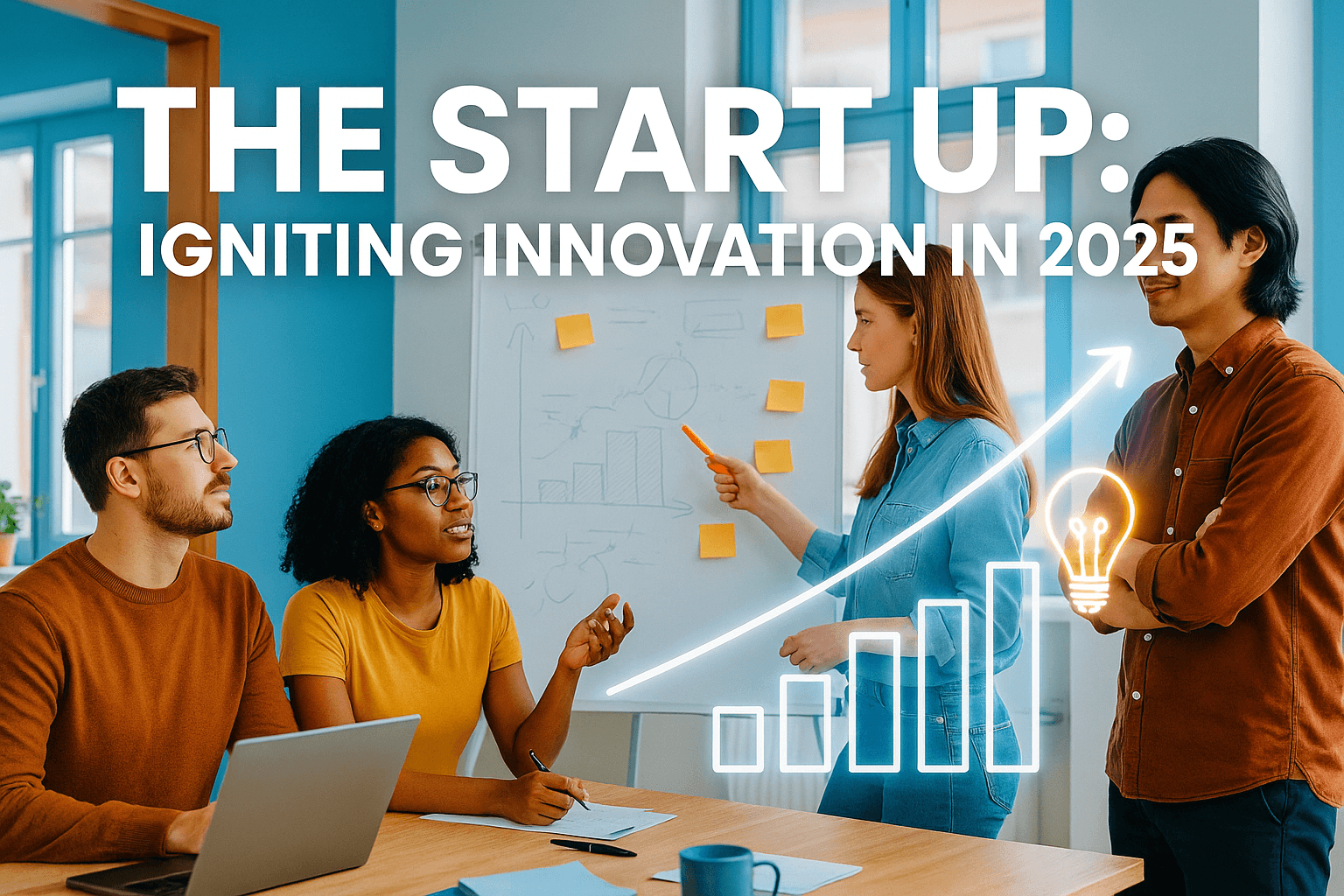

Are you dreaming of building something new, something that could change the world or solve a persistent problem? The journey of the start up is one filled with immense potential, exhilarating challenges, and the promise of groundbreaking innovation. In 2025, the landscape for new ventures is more dynamic than ever, offering unprecedented opportunities for those brave enough to take the leap. This article delves deep into what defines a successful start up, explores its critical stages, and provides insights for navigating the complexities of the entrepreneurial world today.
Key Takeaways
- Defining a Start Up: A start up is a young company founded to develop a unique product or service, often leveraging innovation and scalability, with the aim of rapid growth.
- Critical Stages of Growth: The start up journey typically progresses through ideation, validation, product development, funding, launch, and scaling.
- Funding is Foundational: Securing appropriate funding, from angel investors to venture capital, is crucial for sustained development and expansion.
- Innovation and Agility: Successful start ups prioritize continuous innovation, customer feedback, and the ability to adapt quickly to market changes.
- Team and Culture Matter: Building a strong, resilient team with a clear vision and a positive company culture is paramount for long-term success.
Understanding What Defines The Start Up
The term “start up” has evolved significantly, but its core essence remains. At its heart, the start up is a young company, usually in its early stages of operation, founded by one or more entrepreneurs to develop a unique product or service and bring it to market.
Unlike traditional small businesses, start ups are typically characterized by their ambition for rapid growth, often driven by innovation, scalability, and a technology-first approach. They aim to disrupt existing markets or create entirely new ones.
In 2025, the start up ecosystem is incredibly vibrant, shaped by accelerated technological advancements, a globally connected workforce, and an increasing demand for sustainable and impactful solutions. Key characteristics that define a modern start up include:
- Innovation at Core: Start ups are inherently innovative, either by introducing entirely new concepts, significantly improving existing ones, or finding novel ways to deliver value. This could be in AI, biotechnology, renewable energy, or even reimagining traditional services through digital platforms.
- Scalability Focus: A true start up isn’t just about launching a product; it’s about the potential to serve a large, expanding market without a proportional increase in costs. This scalability is often what attracts investors seeking high returns.
- High Risk, High Reward: The start up journey is fraught with uncertainty. Many fail, but those that succeed can yield substantial financial and societal rewards. This inherent risk is part of the allure and challenge.
- Lean and Agile Operations: Start ups often operate with limited resources, necessitating a lean approach to product development, marketing, and operations. Agility allows them to pivot quickly based on market feedback and unforeseen challenges.
- Technological Leverage: While not exclusive, many successful start ups leverage technology extensively to create their products, streamline operations, or reach their target audience. Cloud computing, AI, machine learning, and blockchain are common enablers.
- Problem-Solving Orientation: At their best, start ups identify a significant problem or unmet need in the market and propose a compelling solution. This problem-solution fit is fundamental to their existence and potential impact.
The ability to operate globally from day one, fueled by digital tools and remote work models, is a distinguishing factor for many start ups in 2025. This allows for diverse talent acquisition and broader market reach from inception.
The Journey of The Start Up: From Idea to Exit
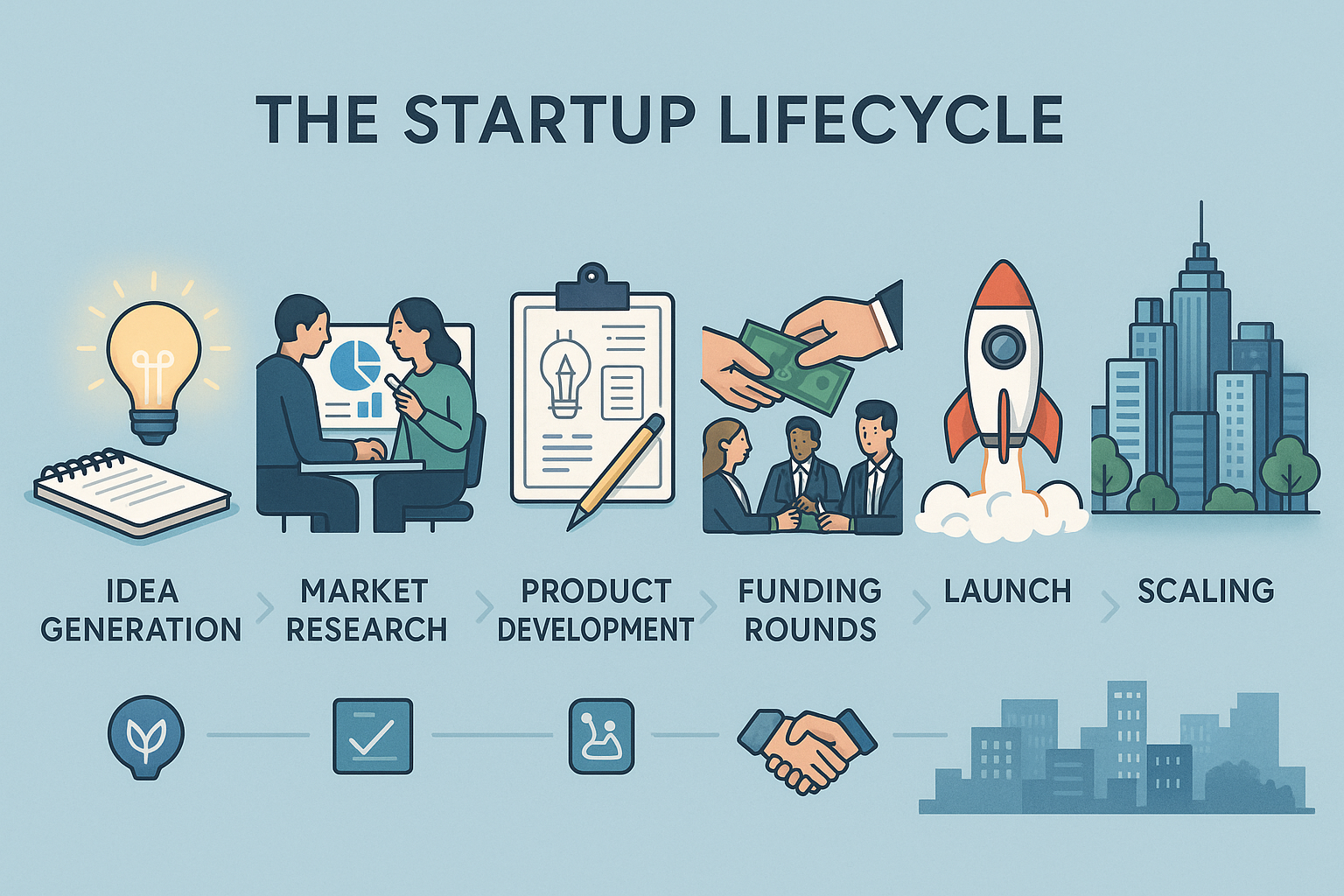
The path of the start up is rarely linear, but it generally follows a series of distinct stages, each presenting its own challenges and milestones. Understanding these stages is crucial for entrepreneurs and investors alike.
1. Ideation and Validation 💡
This is where it all begins. An entrepreneur identifies a problem, brainstorms a potential solution, and develops a preliminary business idea. Crucially, this stage isn’t just about having a bright idea; it’s about validating it. This involves:
- Market Research: Understanding the target audience, their pain points, and existing solutions.
- Competitor Analysis: Identifying direct and indirect competitors and understanding their strengths and weaknesses.
- Customer Interviews: Directly engaging potential users to gauge interest and gather feedback on the proposed solution.
- Feasibility Study: Assessing the technical, financial, and operational viability of the idea.
2. Product Development (MVP) 🛠️
Once validated, the idea moves into development. Many start ups begin with an Minimum Viable Product (MVP). An MVP is the simplest version of a product that still delivers core value to customers. Its purpose is to:
- Test core hypotheses: See if the solution truly addresses the identified problem.
- Gather early user feedback: Learn what works, what doesn’t, and what features are most desired.
- Minimize development costs: Avoid building features that users may not want or need.
This iterative process of “build, measure, learn” is central to the lean start up methodology.
3. Funding and Resource Acquisition 💰
Building a start up requires capital. Entrepreneurs seek various forms of funding depending on their stage:
- Bootstrapping: Self-funding through personal savings or revenue generated from early sales.
- Angel Investors: High-net-worth individuals who invest their own money, often providing mentorship.
- Venture Capital (VC): Firms that invest in high-growth potential companies in exchange for equity.
- Crowdfunding: Raising small amounts of capital from a large number of people, often via online platforms.
- Grants and Accelerators: Non-dilutive funding or programs that provide seed capital, mentorship, and resources.
Securing funding often involves creating a compelling business plan and pitching to investors, articulating the vision, market opportunity, team, and financial projections.
4. Launch and Customer Acquisition 🚀
With an MVP (or a more developed product) and initial funding, the start up officially launches. This stage focuses on acquiring early adopters and building a customer base. Key activities include:
- Marketing and Sales: Implementing strategies to reach the target audience, such as digital marketing, content marketing, PR, and direct sales.
- User Onboarding: Ensuring a smooth experience for new customers.
- Feedback Loops: Continuously collecting and analyzing customer feedback to refine the product and strategy.
The goal here is to achieve Product-Market Fit, where the product satisfies a strong market demand and resonates deeply with its target customers.
5. Scaling and Growth 📈
Once product-market fit is achieved and there’s clear traction, the start up enters its growth phase. This involves:
- Expanding operations: Hiring more staff, increasing production, and entering new markets.
- Optimizing processes: Streamlining workflows and building robust organizational structures.
- Securing further funding: Often through Series A, B, and C rounds of venture capital to fuel aggressive expansion.
- Strategic Partnerships: Collaborating with other companies to extend reach or enhance offerings.
This stage is about managing rapid growth without losing the core values and agility that defined the early days of the start up.
6. Exit Strategy 🚪
Eventually, most start ups aim for an “exit,” which provides a return for investors and founders. Common exit strategies include:
- Acquisition: Being bought by a larger company.
- Initial Public Offering (IPO): Listing the company’s shares on a stock exchange, making it publicly traded.
- Merger: Combining with another company.
The exit is not always the end; it can be a new beginning under a larger umbrella or a transformation into a publicly owned entity.
Navigating the Challenges and Opportunities for The Start Up in 2025
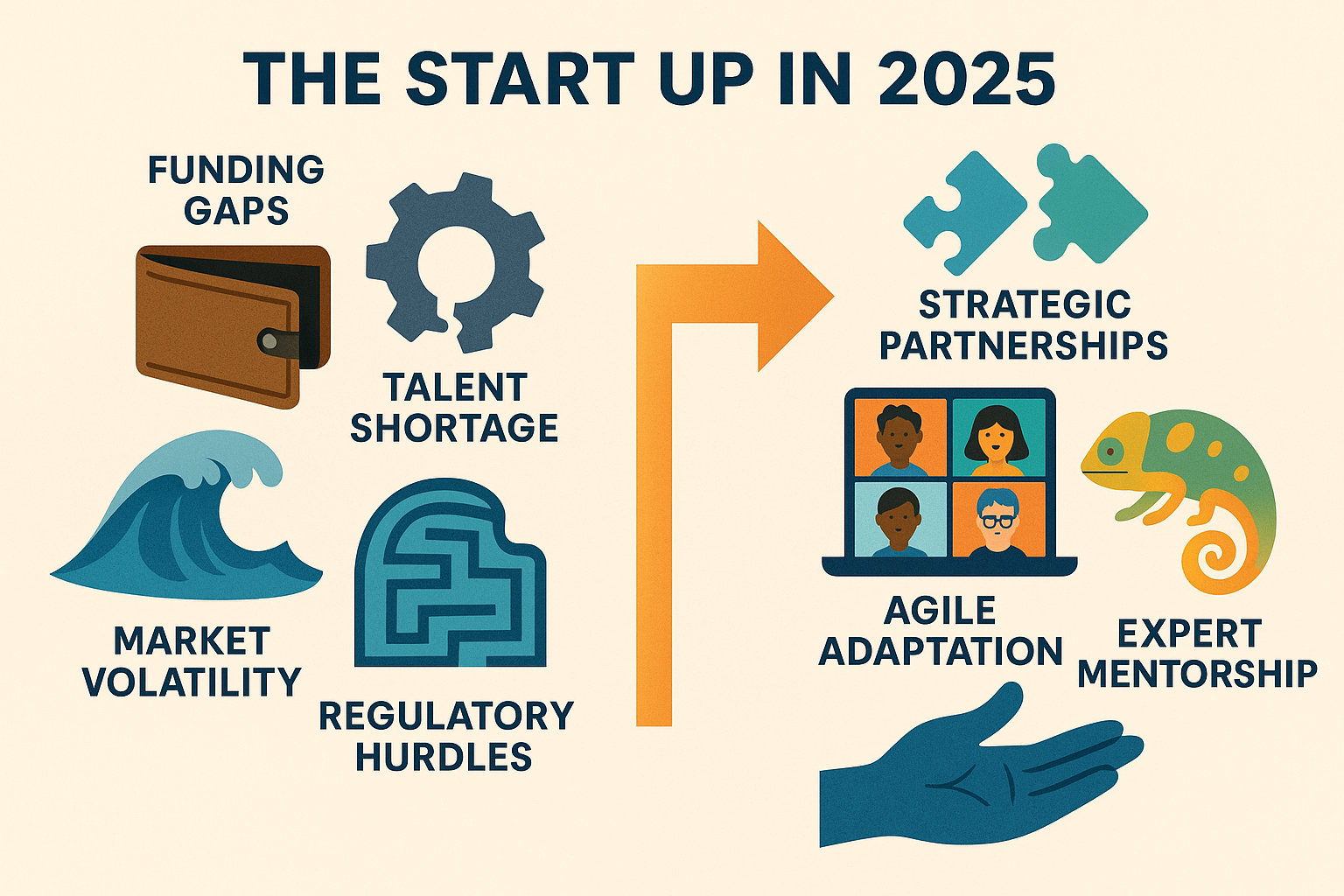
The start up ecosystem in 2025 presents a unique blend of opportunities driven by technological advancements and evolving market demands, alongside persistent challenges that require strategic navigation.
Key Opportunities for The Start Up
- AI and Automation: The rapid advancements in Artificial Intelligence (AI) and machine learning offer immense potential for start ups to innovate across almost every sector. From personalized customer experiences to automating complex tasks, AI tools are more accessible than ever, allowing smaller teams to achieve significant impact.
- Sustainability and Green Tech: With increasing global awareness and regulatory push towards sustainability, start ups focused on clean energy, waste reduction, circular economy models, and eco-friendly products are poised for significant growth and investment.
- Creator Economy & Web3: The rise of decentralized technologies (Web3), NFTs, and the creator economy opens new avenues for start ups building platforms, tools, and services that empower individuals to monetize their content and skills directly, fostering new forms of digital ownership and interaction.
- Remote Work Infrastructure: The sustained shift to remote and hybrid work models continues to create demand for start ups developing innovative tools for collaboration, productivity, cybersecurity, and employee well-being in distributed environments.
- Personalized Healthcare and Wellness: Advances in biotech, wearables, and data analytics allow start ups to offer highly personalized healthcare solutions, preventative medicine, mental wellness platforms, and tailored nutrition plans.
- Global Market Access: Digital platforms and logistics improvements make it easier for start ups to reach international customers from day one, bypassing traditional geographical barriers.
Persistent Challenges Facing The Start Up
Despite the exciting opportunities, start ups still face formidable obstacles:
- Funding Competition: While investment capital is available, competition for funding, especially from reputable VC firms, remains intense. Start ups need exceptionally strong pitches, validated market demand, and compelling teams to stand out.
- Talent Acquisition and Retention: Attracting and retaining top talent, particularly in specialized tech roles (e.g., AI engineers, data scientists), is a significant challenge. Start ups must offer competitive compensation, compelling culture, and meaningful work to compete with established companies.
- Market Volatility and Economic Uncertainty: Global economic shifts, inflation, and interest rate fluctuations can impact consumer spending, investor confidence, and the overall business environment, requiring start ups to be highly adaptable and financially prudent.
- Regulatory Hurdles: Depending on the industry (e.g., fintech, health tech), navigating complex regulatory landscapes can be costly and time-consuming, posing a barrier to entry or scale.
- Cybersecurity Risks: As start ups increasingly rely on digital platforms and data, they become targets for cyberattacks. Robust cybersecurity measures are essential from the outset to protect intellectual property and customer data.
- Achieving Product-Market Fit: Many start ups fail not due to lack of effort, but because their product doesn’t genuinely resonate with a large enough market. Continuous iteration and deep customer understanding are vital.
Strategies for Success for The Start Up in 2025
To thrive in this dynamic environment, the start up must embrace several core strategies:
- Customer-Centricity: Put the customer at the absolute center of every decision. Continuously gather feedback, understand pain points, and iterate products based on real-world usage.
- Lean Methodology: Operate with maximum efficiency, minimizing waste of time and resources. Prioritize rapid prototyping, testing, and learning.
- Strong Team and Culture: Build a diverse, passionate, and resilient team. Foster a culture of transparency, collaboration, and continuous learning.
- Strategic Networking: Actively engage with mentors, advisors, other founders, and potential investors. Networking can open doors to funding, partnerships, and invaluable advice.
- Data-Driven Decisions: Leverage data analytics to inform product development, marketing strategies, and operational improvements. Move beyond guesswork.
- Agile Adaptation: Be prepared to pivot your strategy, product, or even business model if market conditions or customer feedback dictate. Rigidity is a recipe for failure.
- Financial Prudence: Manage cash flow diligently, project expenses accurately, and always have a clear understanding of your burn rate and runway.
The Role of Incubators and Accelerators
For many start ups, incubators and accelerators play a crucial role. These programs provide:
- Mentorship: Guidance from experienced entrepreneurs and industry experts.
- Funding: Often seed capital in exchange for a small equity stake.
- Resources: Office space, legal support, marketing assistance, and access to networks.
- Structured Learning: Workshops and programs on business development, pitching, and scaling.
Participating in a well-regarded program can significantly increase a start up’s chances of success by providing critical support during its formative stages.
Conclusion: The Enduring Spirit of The Start Up
The world of the start up remains a powerful engine of innovation and economic growth. In 2025, it’s a landscape defined by rapid technological evolution, a heightened focus on impact, and an ever-present need for agility and resilience. While the path is challenging, the rewards—creating something new, solving real-world problems, and driving societal change—are profound.
For aspiring entrepreneurs, the message is clear: the time is ripe for innovation. By embracing a customer-centric approach, leveraging available technologies, building exceptional teams, and strategically navigating the funding landscape, the opportunities to build a thriving start up are immense. The journey demands passion, perseverance, and a relentless pursuit of vision. Take the leap, build your dream, and contribute to shaping the future.
Actionable Next Steps:
- Validate Your Idea: Don’t just build; validate! Talk to potential customers, research the market thoroughly, and confirm there’s a genuine need for your solution.
- Build a Lean MVP: Focus on delivering core value quickly and cost-effectively. Get feedback early and iterate constantly.
- Network Strategically: Connect with mentors, advisors, and other founders. Your network is your net worth in the start up world.
- Understand Your Finances: Have a clear grasp of your burn rate, runway, and fundraising needs.
- Prioritize Team and Culture: Build a strong foundation of talented individuals who share your vision and values.
Discover more from Start Entrepreneur Online
Subscribe to get the latest posts sent to your email.