


Starting a small business in 2026 is an exciting journey, brimming with potential for innovation and personal fulfillment. Many aspiring entrepreneurs dream of building something of their own, but the path from idea to successful venture can seem daunting.
This comprehensive guide will meticulously break down the process, offering a clear, step-by-step roadmap for beginners wondering how to set up a small business. Whether you have a groundbreaking idea or are simply exploring possibilities, understanding the foundational steps is crucial for long-term success.
Key Takeaways
- Strategic Planning is Paramount: Begin with thorough market research, clear business idea definition, and a robust business plan to lay a solid foundation.
- Legal & Financial Foundations: Properly choose and register your business structure, understand your tax obligations, and secure necessary funding.
- Brand Building & Marketing: Develop a strong brand identity and implement effective marketing strategies to reach your target audience.
- Operational Excellence: Establish efficient systems for daily operations, financial management, and customer service.
- Continuous Learning & Adaptation: The business landscape evolves; commit to ongoing learning, seeking advice, and adapting your strategies for sustained growth.
How to Set Up a Small Business: Step-by-Step for Beginners
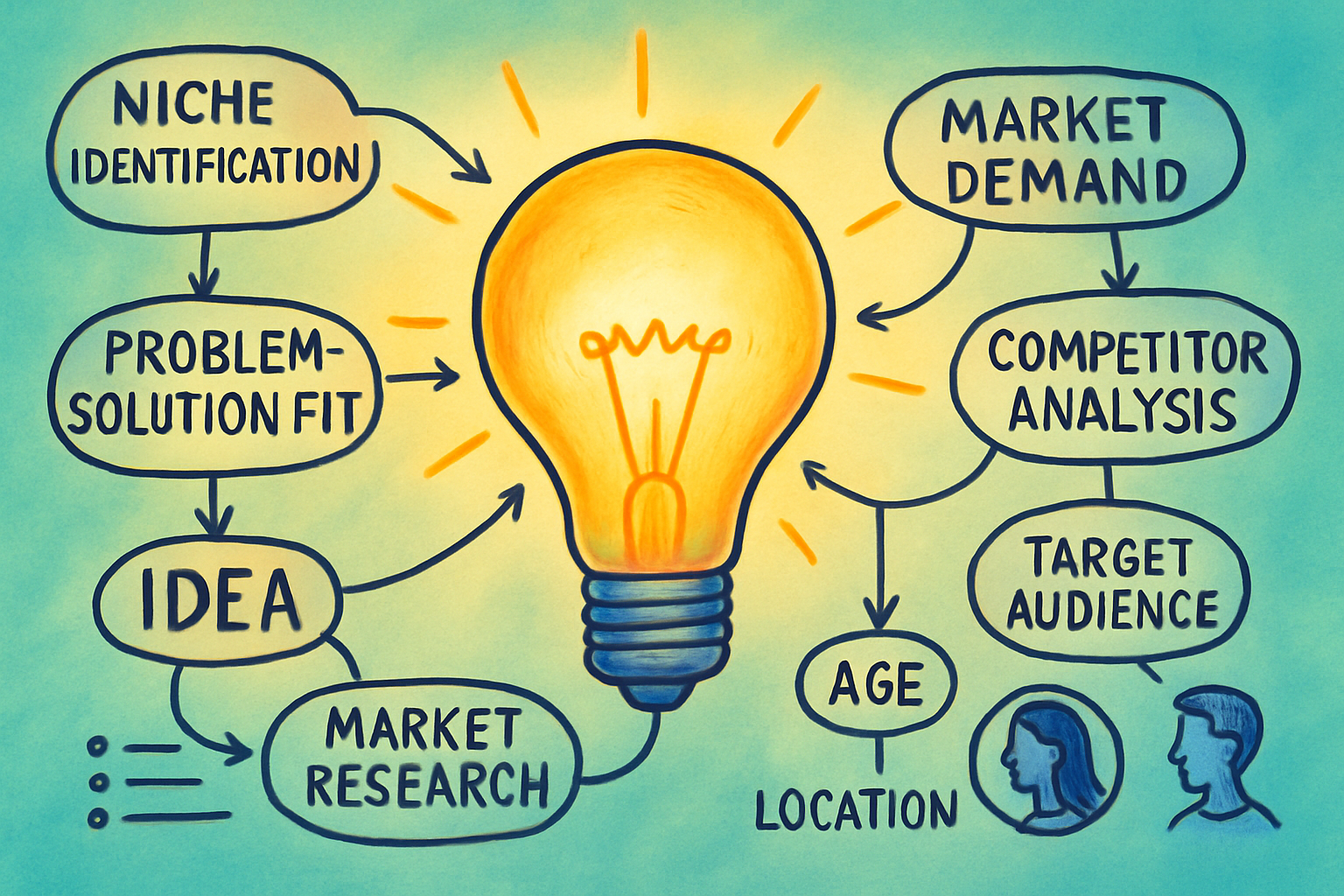
Embarking on the entrepreneurial journey requires careful planning, dedication, and a clear understanding of the steps involved. For beginners, the process of how to set up a small business can be streamlined into manageable stages, ensuring that no critical element is overlooked. This guide will walk you through each stage, providing actionable insights to help you launch your venture successfully in 2026.
Step 1: Laying the Groundwork – Idea Generation and Market Research
Every successful small business begins with a strong idea and a deep understanding of its potential market. This initial phase is critical for validating your concept and ensuring there’s a real demand for what you plan to offer.
Identifying Your Business Idea
The first step is to brainstorm and refine your business idea. Consider your passions, skills, and areas where you see unmet needs or problems that you can solve. A good business idea often stems from:
- Personal Interests and Hobbies: What do you love doing? Can you turn a hobby into a profitable venture?
- Problem-Solving: What common frustrations do you or others experience? How can your business provide a solution?
- Skill Utilization: What unique skills or expertise do you possess that could be valuable to others?
- Market Gaps: Are there services or products that are in demand but currently underserved in your local area or online?
“The best way to predict the future is to create it.” – Peter Drucker
Once you have a few ideas, it’s essential to critically evaluate them. Ask yourself: Is this idea viable? Is there a clear target audience? What makes this idea unique?
Conducting Thorough Market Research
Market research is the backbone of any successful business launch. It helps you understand your industry, target customers, and competitors.
- Define Your Target Audience: Who are you trying to reach? What are their demographics (age, gender, income, location), psychographics (interests, values, lifestyle), and pain points? The more you know about your ideal customer, the better you can tailor your product or service.
- Analyze the Competition: Who are your direct and indirect competitors? What are their strengths and weaknesses? What makes their offerings stand out, or where do they fall short? Identifying competitive advantages will help you position your business effectively.
- Assess Market Demand: Is there enough demand for your product or service to sustain a profitable business? Look at industry trends, consumer spending habits, and market size. Tools like Google Trends, social media analytics, and industry reports can provide valuable insights.
- Understand Pricing Strategies: Research what competitors charge and what customers are willing to pay. Your pricing strategy should cover your costs, provide a reasonable profit margin, and be competitive.
Table: Market Research Checklist
| Activity | Description | Tools/Resources |
|---|---|---|
| Customer Surveys/Interviews | Gather direct feedback on needs and preferences. | SurveyMonkey, Google Forms, direct outreach |
| Competitor Analysis | Identify strengths, weaknesses, and market positioning of rivals. | SWOTT analysis, competitive websites, customer reviews |
| Industry Reports | Gain insights into market size, growth trends, and forecasts. | IBISWorld, Statista, government economic reports |
| Online Reviews & Forums | Understand customer sentiment and unmet needs within your niche. | Yelp, Amazon reviews, Reddit, specialized forums |
| SWOT Analysis | Evaluate your business’s Strengths, Weaknesses, Opportunities, and Threats. | Internal brainstorming, external market data |
This foundational research will help you refine your business concept and create a compelling value proposition that resonates with your target market.
Step 2: Formalizing Your Business – Legal Structure and Registration
Once your idea is solid, the next crucial phase for how to set up a small business involves making it official. This means choosing a legal structure and completing the necessary registrations. This step is vital for legal protection, tax purposes, and establishing credibility.
Choosing a Business Structure
The legal structure you choose impacts everything from personal liability to how your business is taxed. Common options for small businesses include:
- Sole Proprietorship:
- Description: Owned and run by one individual. No legal distinction between the owner and the business.
- Pros: Easy and inexpensive to set up, minimal paperwork.
- Cons: Unlimited personal liability (personal assets at risk), difficult to raise capital.
- Best For: Low-risk businesses, freelancers, independent contractors.
- Partnership:
- Description: Two or more individuals share ownership.
- Pros: Easy to set up, shared workload and resources.
- Cons: Unlimited personal liability (for general partnerships), potential for disagreements between partners.
- Best For: Collaborations, professional services.
- Limited Liability Company (LLC):
- Description: Hybrid structure offering limited liability protection like a corporation, but with pass-through taxation like a sole proprietorship or partnership.
- Pros: Protects personal assets from business debts, flexible taxation options, perceived credibility.
- Cons: More complex and costly to set up than a sole proprietorship or partnership, state-specific regulations.
- Best For: Most small businesses seeking liability protection.
- Corporation (C-Corp or S-Corp):
- Description: A separate legal entity from its owners, offering the strongest liability protection.
- Pros: Limited personal liability, easier to raise capital by selling stock, perpetual existence.
- Cons: Most complex and expensive to set up and maintain, subject to “double taxation” (C-Corp profits taxed at corporate level and again when distributed to shareholders). S-Corps avoid double taxation but have stricter requirements.
- Best For: Businesses planning to seek outside investors, those with significant risk.
Consider consulting with a legal professional or an accountant to determine the best structure for your specific business goals and risk tolerance.
Registering Your Business Name
After selecting a structure, you’ll need to register your business name. This process varies by structure and location:
- “Doing Business As” (DBA) or Fictitious Name: If you operate a sole proprietorship or partnership under a name different from your own legal name, you’ll likely need to register a DBA with your state or county.
- LLC/Corporation Names: These names are usually registered with your state’s Secretary of State or equivalent agency during the formation process. Check for name availability first.
It’s also wise to check if your desired business name and domain name are available online to secure your brand identity.
Obtaining Federal and State Tax IDs
- Employer Identification Number (EIN): Most businesses will need an EIN from the IRS, even if you don’t plan to hire employees. It’s like a social security number for your business and is required for opening a business bank account, filing taxes, and applying for licenses. You can apply for an EIN for free on the IRS website [1].
- State Tax IDs: Depending on your state and type of business, you may need additional state tax IDs for sales tax, employee withholding tax, or other specific taxes.
Securing Licenses and Permits
The types of licenses and permits required depend heavily on your industry, location, and business activities. These can include:
- General Business Licenses: Often required by your city or county to simply operate a business.
- Professional Licenses: For specific professions like doctors, lawyers, accountants, or barbers.
- Sales Tax Permits: If you sell taxable goods or services.
- Health Permits: For businesses handling food.
- Zoning Permits: To ensure your business location complies with local zoning laws.
Utilize resources like the Small Business Administration (SBA) website or your local Chamber of Commerce for guidance on specific requirements in your area. This due diligence ensures your business operates legally and avoids costly penalties.
Step 3: Crafting Your Business Plan – Your Roadmap to Success
A well-developed business plan is essential for anyone learning how to set up a small business, serving as a blueprint for your venture. It outlines your goals, strategies, and financial projections, guiding your decisions and helping you attract funding.
Components of a Strong Business Plan
While business plans can vary, most include these key sections:
- Executive Summary: A concise overview of your entire business plan, highlighting your company’s mission, products/services, target market, financial highlights, and growth potential. This is often written last but placed first.
- Company Description: Detailed information about your business, including its legal structure, mission statement, vision, values, and what makes it unique.
- Market Analysis: Based on your earlier research, this section details your target market, market size, industry trends, and a thorough competitor analysis.
- Organization and Management: Outlines your business’s organizational structure, key personnel (their roles, responsibilities, and qualifications), and any advisory board members.
- Service or Product Line: Describes what you sell, its benefits to customers, intellectual property (if any), and your product’s lifecycle.
- Marketing and Sales Strategy: Explains how you will attract and retain customers, including your pricing strategy, promotional activities, sales channels, and public relations efforts.
- Funding Request (if applicable): If you’re seeking funding, detail how much capital you need, how you plan to use it, and your repayment plan.
- Financial Projections: Crucial for assessing financial viability. Include:
- Income Statement (P&L): Projected revenue and expenses over a period (e.g., 3-5 years).
- Cash Flow Statement: Shows money coming in and going out, critical for managing liquidity.
- Balance Sheet: Snapshots of your assets, liabilities, and equity at specific points in time.
- Break-Even Analysis: Calculates the sales volume needed to cover all costs.
- Appendix (Optional): Include supporting documents like resumes, permits, market research data, or letters of intent.
The Importance of a Business Plan
A business plan isn’t just a document; it’s a dynamic tool that helps you:
- Clarify Your Vision: Forces you to think through every aspect of your business.
- Secure Funding: Lenders and investors rely on comprehensive business plans to evaluate potential investments.
- Set Goals: Provides measurable objectives and strategies to achieve them.
- Attract Talent: Helps potential employees understand your company’s direction.
- Identify Challenges: Allows you to anticipate obstacles and plan contingencies.
For more insights into strategic planning and entrepreneurship, consider exploring resources like Start Entrepreneur Online.
Step 4: Securing Funding – Fueling Your Small Business
Financial resources are the lifeblood of any new venture. Understanding the various funding options and how to secure them is a critical step in how to set up a small business.
Estimating Startup Costs
Before seeking funding, accurately estimate all your startup costs. This includes:
- One-time Expenses: Business registration fees, legal fees, equipment purchases, initial inventory, website development, leasehold improvements.
- Ongoing Operating Expenses: Rent, utilities, salaries, marketing costs, insurance, raw materials, software subscriptions.
- Contingency Fund: Always budget for unexpected expenses – typically 3-6 months of operating costs.
Common Funding Options for Small Businesses
- Self-Funding (Bootstrapping):
- Description: Using personal savings, credit cards, or loans from friends/family.
- Pros: Full control, no debt to outside lenders, faster setup.
- Cons: Limited capital, high personal risk.
- Best For: Businesses with low startup costs.
- Small Business Loans:
- Description: Traditional bank loans, often backed by the SBA (e.g., SBA 7(a) loans).
- Pros: Lower interest rates than credit cards, structured repayment.
- Cons: Strict eligibility criteria, lengthy application process, collateral often required.
- Best For: Businesses with a solid business plan and good credit history.
- Grants:
- Description: Non-repayable funds typically offered by government agencies or non-profits for specific purposes or industries.
- Pros: Free money!
- Cons: Highly competitive, very specific eligibility requirements, often a lengthy application process.
- Best For: Businesses with social impact, innovation, or in underserved sectors.
- Angel Investors and Venture Capital:
- Description: Individuals (angels) or firms (VCs) that invest capital in exchange for equity (ownership). Angel investors often focus on early-stage, high-potential businesses, while VCs look for rapid growth potential.
- Pros: Significant capital, mentorship, industry connections.
- Cons: Giving up equity/control, intense scrutiny, high growth expectations.
- Best For: Scalable businesses with high growth potential.
- Crowdfunding:
- Description: Raising small amounts of money from a large number of people, often through online platforms (e.g., Kickstarter, Indiegogo).
- Pros: Access to a broad audience, market validation, often no equity given up (reward-based).
- Cons: Requires strong marketing campaign, not guaranteed success.
- Best For: Products with strong appeal to a consumer base, creative projects.
Regardless of the funding source, a well-researched business plan with robust financial projections is essential to convince lenders or investors of your business’s potential.
Step 5: Building Your Brand and Marketing Your Business
Once the legal and financial foundations are in place, the next crucial step in how to set up a small business is to effectively introduce it to the world. This involves building a strong brand and implementing strategic marketing efforts.
Developing Your Brand Identity
Your brand is more than just a logo; it’s the overall perception customers have of your business. A strong brand identity helps you stand out and connect with your target audience.
- Define Your Brand Story: What’s the narrative behind your business? What problem do you solve? What are your values? Your story creates an emotional connection.
- Create a Memorable Name and Logo: Your business name should be easy to remember and pronounce, and your logo should be visually appealing and represent your brand’s essence.
- Establish Brand Voice and Tone: How will your business communicate? Is it formal, casual, humorous, authoritative? Consistency is key.
- Choose a Visual Identity: This includes your color palette, typography, and imagery. These elements should be consistent across all your marketing materials.
Crafting a Marketing Strategy
A marketing strategy outlines how you will reach your target customers, generate leads, and drive sales.
- Identify Your Unique Selling Proposition (USP): What makes your business different and better than the competition? This could be a unique product feature, superior customer service, or a specific niche you serve.
- Develop Marketing Channels:
- Online Marketing:
- Website: A professional, mobile-friendly website is your digital storefront. Ensure it’s optimized for search engines (SEO).
- Social Media: Choose platforms where your target audience is most active. Consistently share valuable content and engage with your followers.
- Email Marketing: Build an email list to nurture leads and announce promotions.
- Content Marketing: Create valuable blog posts, videos, or infographics that educate and entertain your audience.
- Paid Advertising: Consider Google Ads, social media ads, or other targeted campaigns to reach a wider audience quickly.
- Offline Marketing:
- Networking: Attend industry events, join local business groups, and build relationships.
- Local Advertising: Flyers, local newspaper ads, community sponsorships.
- Public Relations: Seek media coverage through press releases or outreach to journalists.
- Word-of-Mouth: Encourage satisfied customers to spread the word through testimonials and referrals.
- Online Marketing:
Setting a Marketing Budget
Allocate a realistic budget for your marketing activities. Start small, test different channels, and scale up what works. Track your marketing efforts to understand your Return on Investment (ROI) and optimize your spending. For further insights into growing a successful business, explore resources like 9 Tips for Growing a Successful Business.
Step 6: Setting Up Operations and Financial Management
With your business formalized and your brand taking shape, the next phase involves establishing the practical aspects of running your daily operations and managing your finances. This is a critical step in how to set up a small business for long-term efficiency and profitability.
Establishing Your Physical or Digital Workspace
Your operational setup depends on your business type:
- Physical Location: If you need a brick-and-mortar store, office, or workshop, consider factors like visibility, foot traffic, accessibility, and cost. Ensure the location complies with local zoning laws and your business permits.
- Home Office: For many small businesses, a dedicated home office is sufficient. Invest in necessary equipment, reliable internet, and create a professional workspace.
- E-commerce Platform: If you’re an online business, choose a robust e-commerce platform (e.g., Shopify, WooCommerce) and ensure your website is secure, user-friendly, and optimized for sales.
Hiring Your Team (If Applicable)
If your business requires employees, this involves several steps:
- Define Roles and Responsibilities: Clearly outline job descriptions.
- Recruitment: Post job openings, screen candidates, and conduct interviews.
- Onboarding: Provide proper training and integrate new hires into your company culture.
- Legal Compliance: Understand labor laws, payroll taxes, and benefits requirements. This is a complex area, and consulting HR or legal experts is highly recommended.
Setting Up Business Systems and Processes
Efficient systems are key to smooth operations. Consider:
- Inventory Management: If selling products, how will you track stock, manage suppliers, and fulfill orders?
- Customer Relationship Management (CRM): Software to manage customer interactions, sales, and support (e.g., HubSpot, Salesforce).
- Project Management Tools: For tracking tasks, deadlines, and team collaboration (e.g., Asana, Trello).
- Payment Processing: Set up systems to accept payments (e.g., Stripe, Square, PayPal for online; POS systems for physical stores).
Essential Financial Management
Proper financial management is non-negotiable for any small business.
- Open a Business Bank Account: Separate your personal and business finances immediately. This simplifies accounting, tax preparation, and presents a professional image.
- Set Up Accounting Systems: Choose accounting software (e.g., QuickBooks, Xero, FreshBooks) to track income, expenses, and generate financial reports. Consider hiring a bookkeeper or accountant, especially as you grow.
- Understand Your Tax Obligations:
- Federal Taxes: Income tax, self-employment tax, payroll taxes (if you have employees).
- State Taxes: Income tax, sales tax, unemployment insurance tax.
- Local Taxes: Property tax, business license fees.
- Consult with a tax professional to ensure compliance and optimize your tax strategy.
- Manage Cash Flow: Monitor your cash flow closely. Ensure you have enough cash to cover expenses and invest in growth.
- Obtain Business Insurance: Protect your business from unexpected events. Common types include general liability insurance, property insurance, professional liability insurance, and workers’ compensation.
Maintaining accurate financial records is crucial for tracking performance, making informed decisions, and fulfilling legal requirements. This often involves continuous learning, and articles like 17 Key Lessons for Entrepreneurs Starting a Business can be invaluable.
Step 7: Launching and Growing Your Business
You’ve planned, prepared, and formalized your business. Now it’s time for the exciting part: launch! But the journey doesn’t end there; continuous growth and adaptation are essential for long-term success.
The Grand Launch
While some businesses have elaborate launch events, others opt for a softer opening. Key considerations include:
- Final Checks: Before going live, double-check everything – website functionality, inventory levels, payment systems, marketing materials.
- Soft Launch: Consider a soft launch to a small group for feedback and to iron out any kinks before a broader public announcement.
- Marketing Blitz: Activate your marketing strategy to announce your opening. Use social media, press releases, local advertising, and email campaigns.
- Customer Service Readiness: Ensure you have systems in place to handle initial inquiries, orders, and customer support effectively. First impressions are vital.
Managing Your Business Day-to-Day
After launch, focus on daily operations and customer satisfaction:
- Deliver Exceptional Customer Service: Happy customers are your best advocates. Respond promptly, solve problems efficiently, and go the extra mile.
- Monitor Sales and Performance: Regularly review your sales data, website analytics, and key performance indicators (KPIs) to understand what’s working and what isn’t.
- Manage Inventory and Supply Chain: Keep an eye on stock levels, reorder efficiently, and maintain good relationships with suppliers.
- Cash Flow Management: Continuously monitor your income and expenses to ensure financial health.
- Seek Feedback: Actively ask customers for feedback through surveys, reviews, or direct conversations. Use this feedback to improve your products, services, and operations.
Planning for Growth and Scaling
Growth is a natural goal for many entrepreneurs, but it needs to be managed strategically.
- Expand Your Product/Service Offerings: Introduce new items or services that complement your existing ones and meet evolving customer needs.
- Enter New Markets: Explore opportunities to reach new geographic areas or customer segments.
- Scale Operations: As you grow, you’ll need to scale your team, infrastructure, and processes without compromising quality. This might involve automating tasks, outsourcing, or hiring more staff.
- Build Customer Loyalty: Focus on retaining existing customers through loyalty programs, personalized communication, and exceptional experiences. Repeat business is often more cost-effective than acquiring new customers.
- Stay Agile and Adaptable: The business world is constantly changing. Stay informed about industry trends, new technologies, and shifts in customer preferences. Be prepared to pivot your strategies as needed. Entrepreneurs often find immense joy in this process, as highlighted in articles like 101 Reasons Being an Entrepreneur Rocks.
Step 8: Continuous Improvement and Long-Term Vision
The final, continuous step in how to set up a small business, and truly succeed, is to embrace a mindset of ongoing learning, adaptation, and forward-thinking. The entrepreneurial journey is dynamic, and success in 2025 and beyond hinges on your ability to evolve.
Embracing Learning and Development
The business landscape is constantly shifting, with new technologies, market trends, and consumer behaviors emerging regularly.
- Stay Informed: Read industry publications, follow thought leaders, and attend webinars or conferences. Understanding new trends, whether in digital marketing, AI, or specific industry innovations, can give you a competitive edge.
- Seek Mentorship and Networking: Connect with experienced entrepreneurs, join business groups, or find a mentor. Learning from others’ successes and failures can provide invaluable guidance and open doors to new opportunities.
- Invest in Skills: Continuously develop your own skills and those of your team. This might involve courses in leadership, marketing, financial management, or specific technical skills relevant to your industry.
- Analyze Performance Data: Regularly review your financial statements, sales reports, website analytics, and customer feedback. Data provides concrete insights into what’s working, what’s not, and where improvements are needed.
Innovate and Adapt
Innovation isn’t just for tech giants; it’s crucial for small businesses to stay relevant.
- Listen to Your Customers: Their feedback is a goldmine for product/service improvements or new offerings. What are their pain points? What do they wish you offered?
- Monitor Competitors: Keep an eye on what your competitors are doing. What new products are they launching? What marketing strategies are they employing? Don’t copy, but learn and differentiate.
- Experiment with New Ideas: Don’t be afraid to test new marketing campaigns, product features, or operational processes. Start small, gather data, and scale up successful experiments.
- Embrace Technology: Explore how new technologies can enhance your business. Could automation streamline tasks? Could new software improve customer experience? For example, understanding topics like Blockchain applications or popular cryptocurrencies might reveal unexpected opportunities for certain businesses in 2025.
Planning for the Future
Think beyond immediate goals and establish a long-term vision for your business.
- Set Long-Term Goals: Where do you see your business in 3, 5, or 10 years? This could involve expanding product lines, opening new locations, franchising, or even preparing for an eventual sale.
- Build a Strong Team and Culture: Your employees are your greatest asset. Foster a positive work environment, empower your team, and invest in their development. A strong culture contributes to employee retention and overall business success.
- Succession Planning: Even if retirement is far off, consider who might take over leadership roles in the future, especially if your business is closely tied to your personal expertise.
- Maintain Financial Health: Continuously manage debt, build reserves, and seek opportunities for profitable growth. Financial stability provides resilience against economic downturns and enables future investments.
By consistently focusing on improvement, innovation, and strategic planning, your small business can not only survive but thrive and achieve sustained success well into the future. For additional inspiration and strategies, articles on topics like 10 Ways to Become a Successful Entrepreneur offer valuable perspectives.
Conclusion
Starting a small business in 2026 is an endeavor that demands passion, perseverance, and a structured approach. This comprehensive guide, “How to Set Up a Small Business: Step-by-Step for Beginners,” has provided a detailed roadmap, covering everything from initial idea generation and market research to legal formalization, securing funding, brand building, operational setup, and long-term growth strategies.
The journey of entrepreneurship is rarely linear, but by meticulously following these steps, you can significantly increase your chances of success. Remember, the key is not just to launch, but to build a resilient and adaptable business that can thrive in an ever-evolving market.
Actionable Next Steps:
- Refine Your Idea: Spend dedicated time on market research and clearly define your unique selling proposition.
- Consult Experts: Seek advice from legal professionals, accountants, and business mentors.
- Draft Your Business Plan: Use the outlined components to create a living document that guides your decisions.
- Secure Your Foundations: Register your business, obtain necessary licenses, and set up your financial systems.
- Start Small, Think Big: Launch strategically, gather feedback, and continuously look for opportunities to improve and grow.
Embrace the challenges, celebrate the small victories, and commit to continuous learning. Your entrepreneurial journey in 2025 is an exciting adventure, and with the right preparation, you are well-equipped to build a thriving small business.
References
[1] Internal Revenue Service. Apply for an Employer Identification Number (EIN). Available at: https://www.irs.gov/businesses/small-businesses-self-employed/apply-for-an-employer-identification-number-ein (Accessed October 26, 2024).
Meta Title: How to Set Up a Small Business: Step-by-Step for Beginners (2025 Guide)
Meta Description: Learn how to set up a small business in 2025 with our step-by-step guide for beginners. From idea to launch, get expert tips on planning, funding, and growth.
Discover more from Start Entrepreneur Online
Subscribe to get the latest posts sent to your email.